Good Design = World Decline
22.02.26
Sustainable Design
Can design ever be “sustainable,” or is that a contradiction?
That’s the question I kept circling around during this block. Part of me wants to say yes, because that’s literally what we’re training to do. Another part of me thinks “sustainable design” can easily become a comforting label we stick on things that still rely on extracting resources, shipping them around the world, and convincing people to buy more.
I’m going to try answer it as I go, because I honestly find sustainability one of the hardest topics to write about. The scale is so huge that it’s easy to fall into that mindset Ben Craven spoke about, where people feel the problem is bigger than them, so they disconnect. But his point was that the “bigger than me” thing is literally made up of millions of individual choices, and that is what makes it both terrifying and weirdly hopeful.
Everyday Energy - Are we too small to matter?
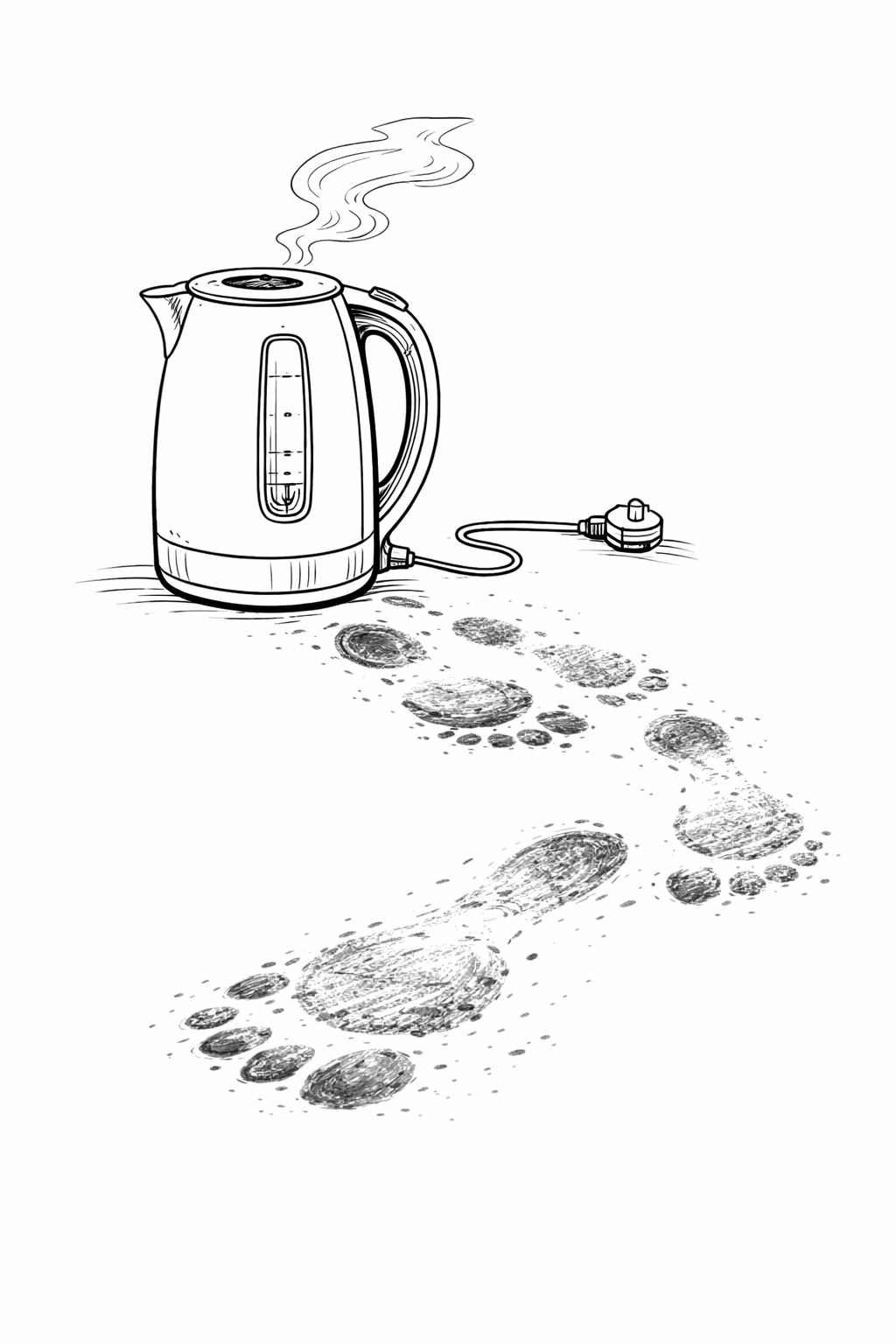
Ben’s talk was good at making climate impact feel real instead of abstract. We looked at everyday objects, like kettles, and suddenly you can see how quickly energy adds up when you scale it across a city, a country, or just a student building.
He also made a point that I think is important for Product Design Engineering specifically. Our course is unfortunately and fortunately one of the biggest influencers on climate change, because we sit right in the pipeline of deciding what gets made, how it gets made, and how it gets marketed. In other words, we can either help reduce harm, or we can help accelerate it.
That’s also why the topic feels heavy. It’s not just “be sustainable,” it’s real consequences attached to design decisions.
The Carbon Pathways
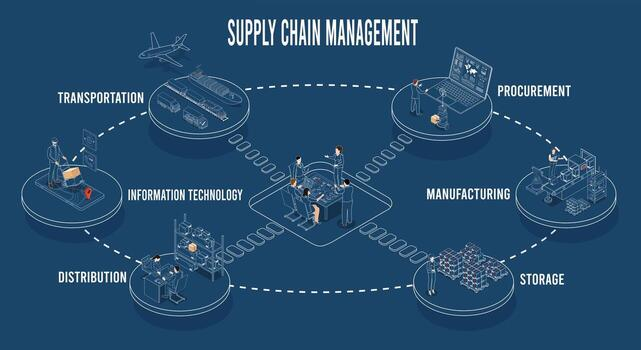
When I spoke to John Throne, we talked about the full carbon pathway of a product. Not just the obvious “it’s recyclable” end point, but the beginning too. Where materials come from, what extraction looks like, how many manufacturing steps there are, the shipping, the warehousing, the packaging, the retail model, and then end of life.
That made me think about something that’s easy to ignore as a design student. The software and cloud tools we use to design, communicate, and store work have a real footprint too. Data is not weightless. The IEA says data centres accounted for about 1.5% of global electricity use in 2024, and they project strong growth towards 2030.
Carbon Negative?
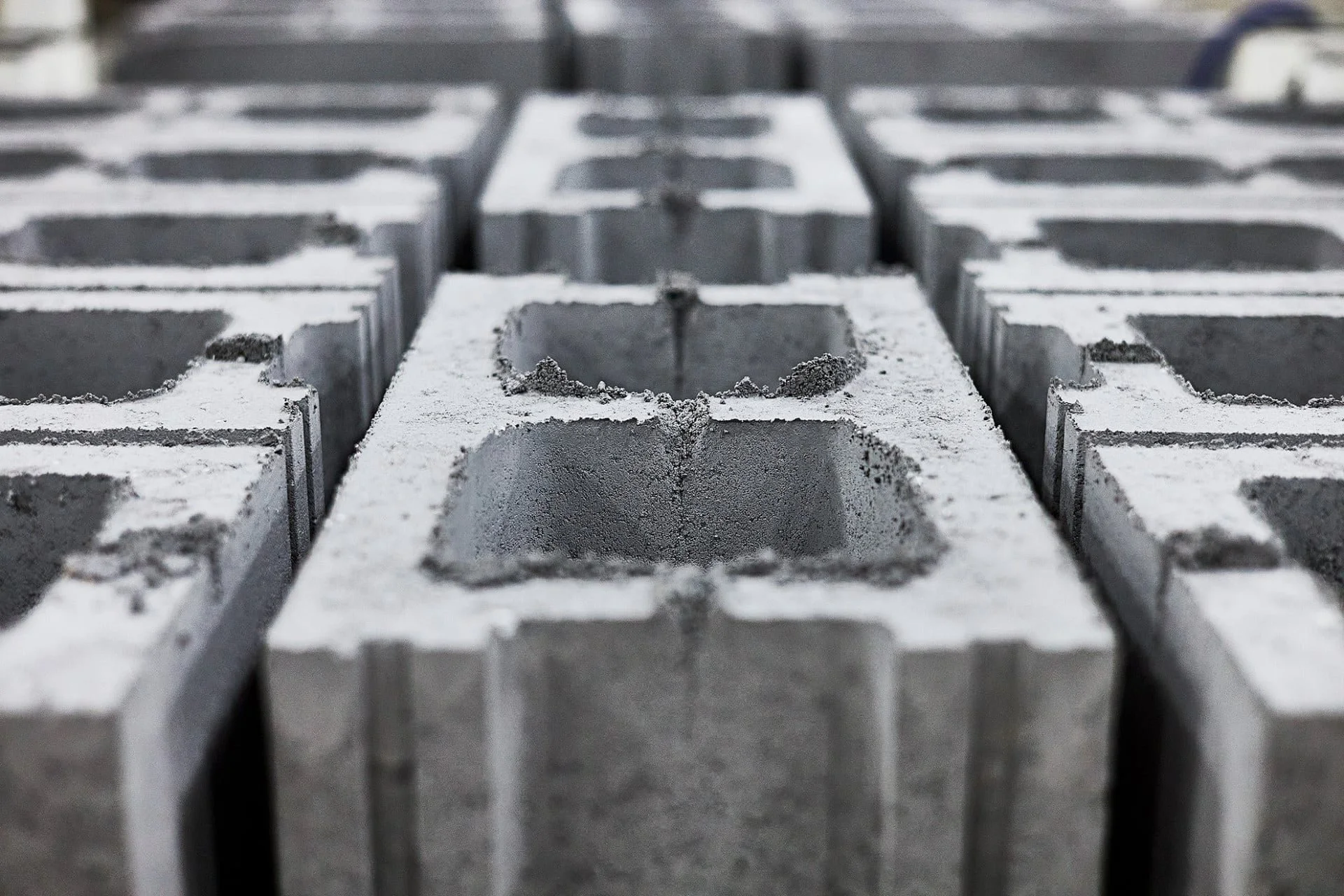
I missed Erica’s talk on the day, but I’ve read through her slides and I’ve spoken to her before. The idea that stuck with me is the shift from sustainable to regenerative. Not just “reduce harm,” but asking bigger questions like “what if your product left the world better than it found it?” and “what if it nourished an ecosystem, not just a human user?” This is Carbon Negativity, not neutrality. The image to the side shows carbon-eating concrete blocks.
She also frames design as happening at many levels, from material, to product, to business model, to ecosystem. That feels important because a lot of “sustainable products” fail due to the system they sit in.
Two practical points from her presentation that I think are really usable:
Circular economy basics: eliminate waste and pollution, circulate products and materials, regenerate nature. This also lines up with the Ellen MacArthur Foundation’s circular economy principles.
Rebound effects (Jevons paradox): you can make something more efficient, but if that makes people use more overall, the gains can disappear.
She also brings up “enoughness,” which sounds simple, but it’s probably the hardest part. Designing for people to feel they have enough, rather than designing endless reasons to upgrade.
So, can design be sustainable?
My answer, at least for now, is: design can support sustainability, but only if we stop pretending it’s just a materials choice. It’s systems, behaviour, repair, longevity, supply chains, energy, and culture. It’s also honesty about trade-offs, because “fully sustainable” in a consumer world can be a myth.
Ben’s point about individual impact matters here, because the biggest blocker is people feeling powerless. But equally, it cannot only be individual responsibility. We probably need both, designers making better decisions, and legislation and standards that stop the worst forms of waste being normal.
This is definitely a topic I want to come back to in future blogs, because it’s not something you “cover” once and move on. It’s too big, and it needs a culture shift, which is the hardest kind of design challenge there is.
Product Design Culture
The more I think about it, the more I agree with the harsh version of the argument. A lot of product design today is structurally bad for the environment because it relies on novelty and replacement. We’re basically trained to make things desirable, and the market rewards things that sell quickly, not things that last.
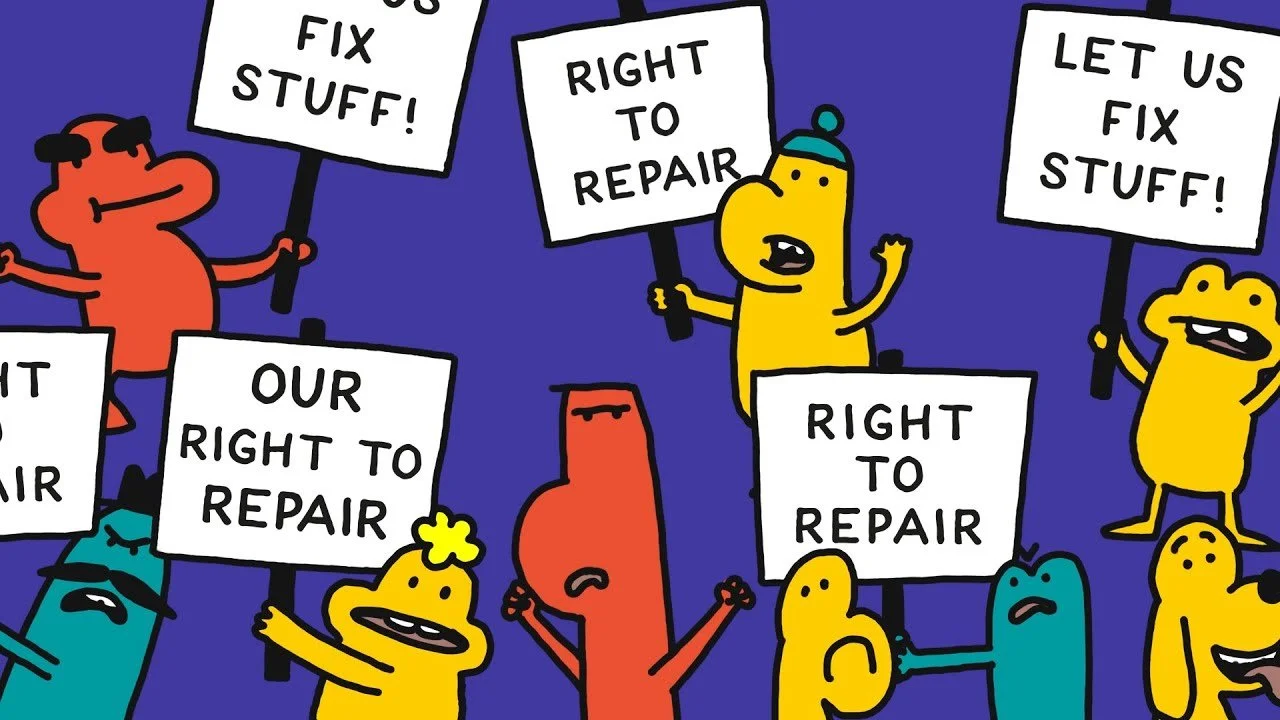
That’s why I actually like that Erica included design for repair as a tangible lever. Her slides point to France’s repairability index and list what it measures, service manuals, ease of disassembly, access and price of spare parts, and software updates depending on device type. This matches how repair organisations describe the five criteria too.