10 Principles
01.02.26
10 Principles
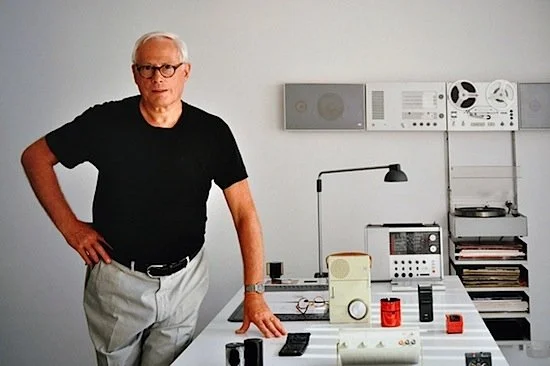
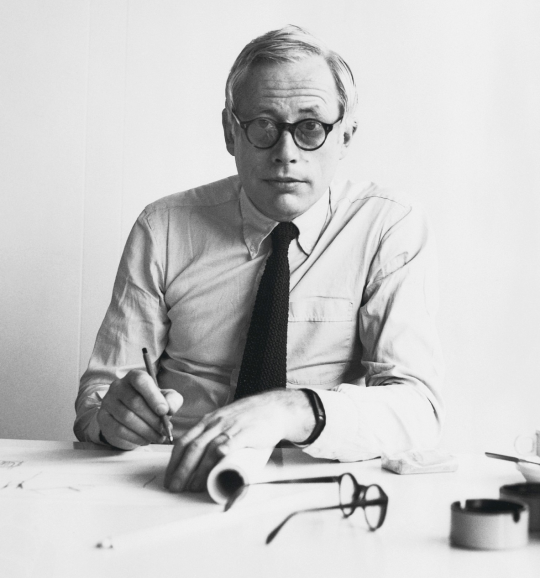
Dieter Rams is a designer I remember hearing about from a young age, whether it be family, design teachers or in writing, his name often came up. It is a name I have understood for a long time to be a parent of modern design and over the years I have made an effort to learn more about him and his work, but also the wider effect he has had on the industry. He even featured in my personal statement by way of a quote at the end: “Design should not dominate things, should not dominate people. It should help people. That's its role.” Moving into Product Design Engineering at Glasgow School of Art, he was a character that remained prevalent still to this day in my 4th year and I am sure he will for a long time to come. Having watched a video on Rams as part of our Design & Technology class, I researched one of his core tenants: the 10 Principles of Design. Each of the following sections covers one of these principles.
Good Design is Innovative
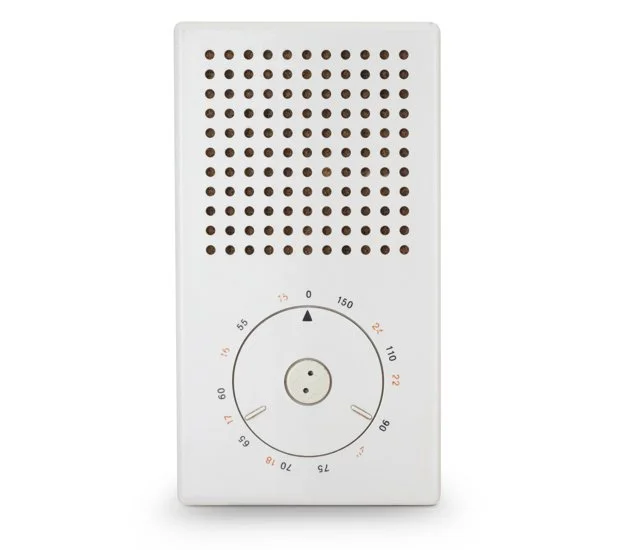
When Rams talks about innovation, I don’t think he means novelty for the sake of it, or “new” as a marketing headline. His version of innovation feels more like: does this genuinely move things forward for people, and will it still make sense years from now? That’s why, for me, one of the most innovative things linked to him isn’t a flashy piece of consumer tech, it’s the Vitsœ 606 Universal Shelving System.
The 606 is basically innovation as a system, not a single object. It’s a kit of parts that can be reconfigured, expanded, repaired, and adapted as your life changes, different rooms, different needs, different amounts of stuff. And the wild part is that it has stayed relevant because the underlying idea is so solid. Vitsœ describe it as modular shelving designed to “evolve and adapt,” and it’s been in continuous production since 1960, which is a pretty strong sign the innovation wasn’t just visual, it was structural.
Good Design is Aesthetic
“Aesthetic” is one of those words that gets misunderstood really easily, because it can sound like Rams is saying good design should look pretty. But in his world, aesthetic isn’t decoration. It’s not styling for the sake of it. It’s more like: does the form feel right for the job, and does it improve the experience of living with the object every day?
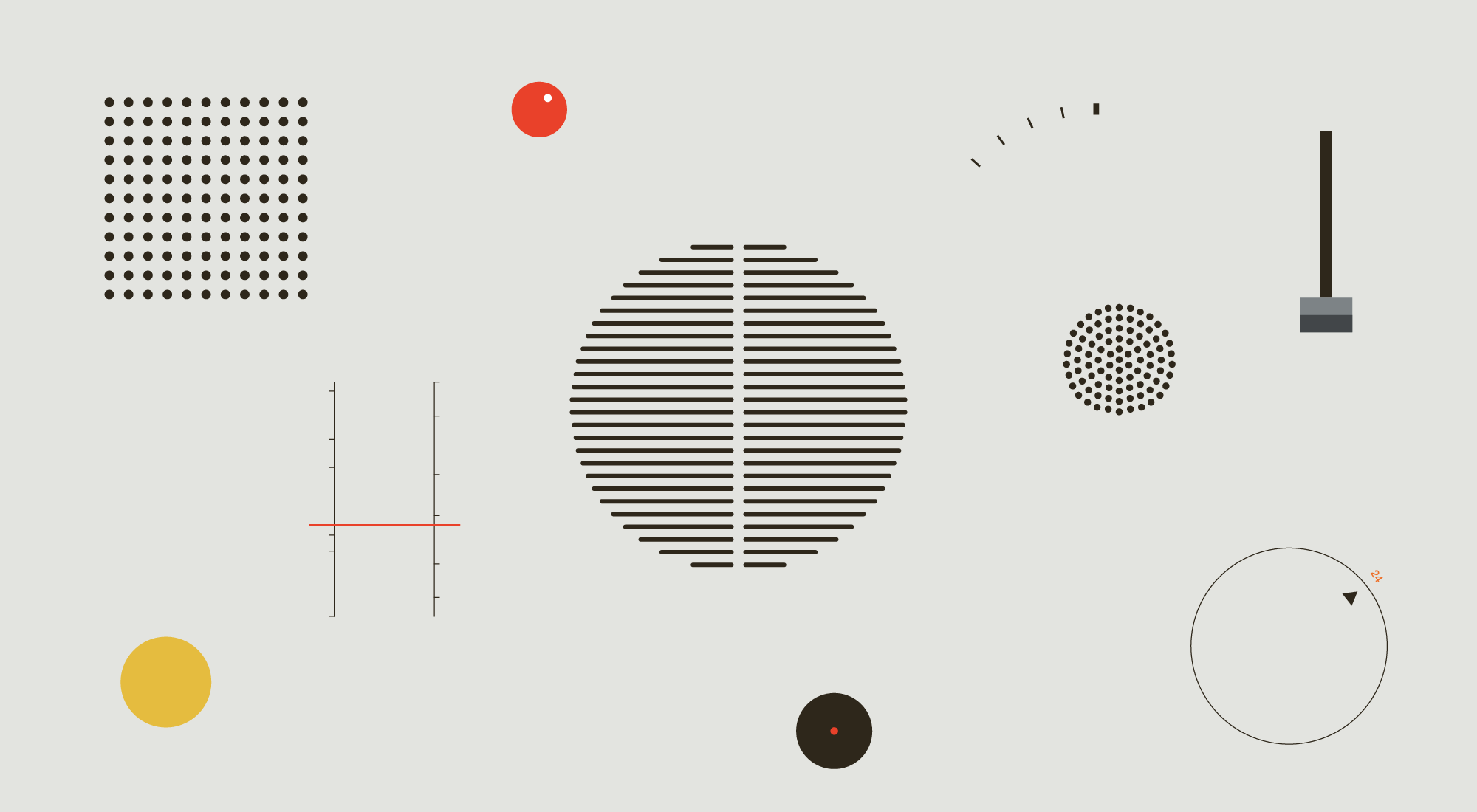
The aesthetic to me is often a very simple design, with repeated shapes to make an effective overall composition. The details in alignment and positioning are key to many of the Rams designs and they usually incorporate hints of distinctive colour to accent some key features. These colours can either assist with useablility or sometimes they are the only real display of expressive design in Rams’ work.

Good Design Makes a Product Useful
This one sounds obvious on paper, but it’s probably the easiest principle to lose in real life, especially when products start collecting features like trophies. Rams’ point isn’t just that a product should do something, it’s that it should do the right thing, properly, without making the user work for it. If the “main job” isn’t nailed, everything else is just decoration.
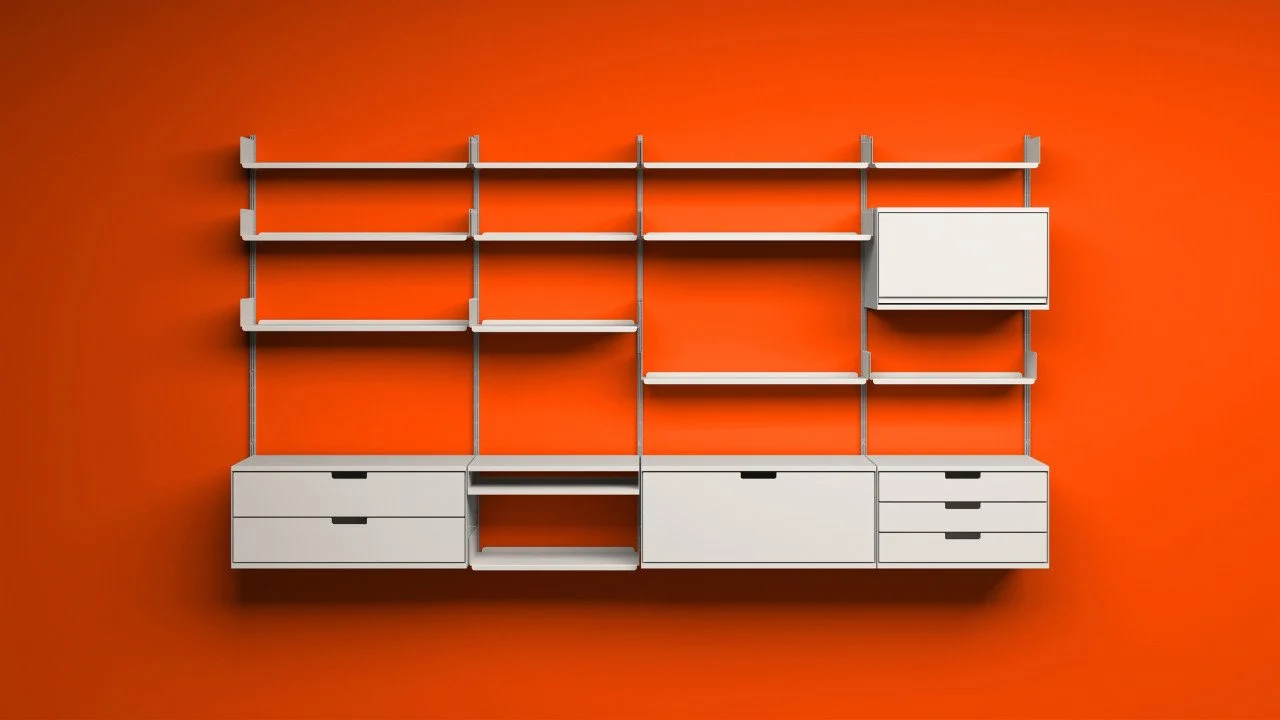
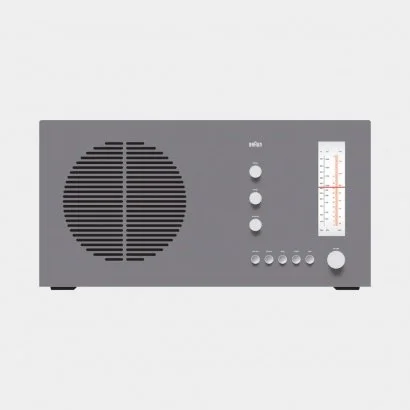
You can see this clearly in his Braun work. A radio is for listening, not for showing off the designer’s personality. So the controls are where you expect them, the layout is calm, the markings make sense, and you’re never guessing what a button does. Even the way the product sits on a table, how it’s picked up, how it’s cleaned, how it ages. All of that is part of being “useful” in the real world, not just in a spec sheet or a marketing advert.
I also think “useful” is where Rams’ less, but better mindset really starts to make sense. If you strip a product down to what it genuinely needs to do, you end up with something that feels confident, a style that I think is starting to become more and more popular again in modern times. And honestly, when something is truly useful, you don’t notice the design as much, you just keep using it, which is kind of the whole point.
Good Design Makes a Product Understandable
This is one of the Rams principles I notice the most in everyday life, because when a product is not understandable, you feel it instantly. You hesitate, you press the wrong thing, you look for a label, and suddenly you are doing extra work that the design should have done for you. Rams’ point is that a product should explain itself through its layout, its controls, and the way it behaves.
In his Braun products, the logic is usually visible at a glance. Buttons and dials are grouped in a way that matches how you actually use the thing. The important controls feel obvious, and the less important ones do not get in the way. Nothing is hidden just to look clean. That balance is what makes it feel calm rather than confusing.
I also think understandability is where his “less, but better” approach really proves itself. When you remove unnecessary features and visual noise, the function becomes clearer. The user should not need a tutorial to do the basic job. If you can pick it up, look at it, and know what to do next, that is Rams’ idea of good design doing its job.
Good Design is Unobtrusive
This is the principle where Rams gets labelled as “boring” the most. A lot of people see unobtrusive design and read it as bland, like it has no personality. You hear comments like “that could have been designed by anyone,” or “it’s just a box with some buttons.” And I kind of get why people say that, because Rams’ work is not trying to impress you in the obvious way. It is not expressive, it is not decorative, and it is not trying to look expensive just for the sake of it.
But I think that “anyone could do it” argument falls apart when you look closer. Making something loud is easy. Making something quiet that still feels intentional is harder. The spacing, proportions, hierarchy, and small decisions are doing a lot of work, and the whole object only feels simple because those decisions are consistent. If you change one detail, it often stops feeling balanced. Many simple products without these attentions to detail can look uncomfortable or unbalanced in a way that does not make use desirable.
Good design is long-lasting
This one overlaps a lot with the earlier principles, because if something is useful, honest, and not chasing trends, it naturally lasts longer. Rams’ point is that good design should not feel outdated after a couple of years. It should still make sense, still work well, and still feel worth keeping.
It also links straight to sustainability. The most sustainable product is often the one you do not need to replace. When an object is built to last, and still looks and functions well over time, it avoids that constant cycle of upgrades and throwaway replacements. So even though “long-lasting” sounds simple, it is actually a pretty strong criticism of modern product culture.
Good Design is Honest
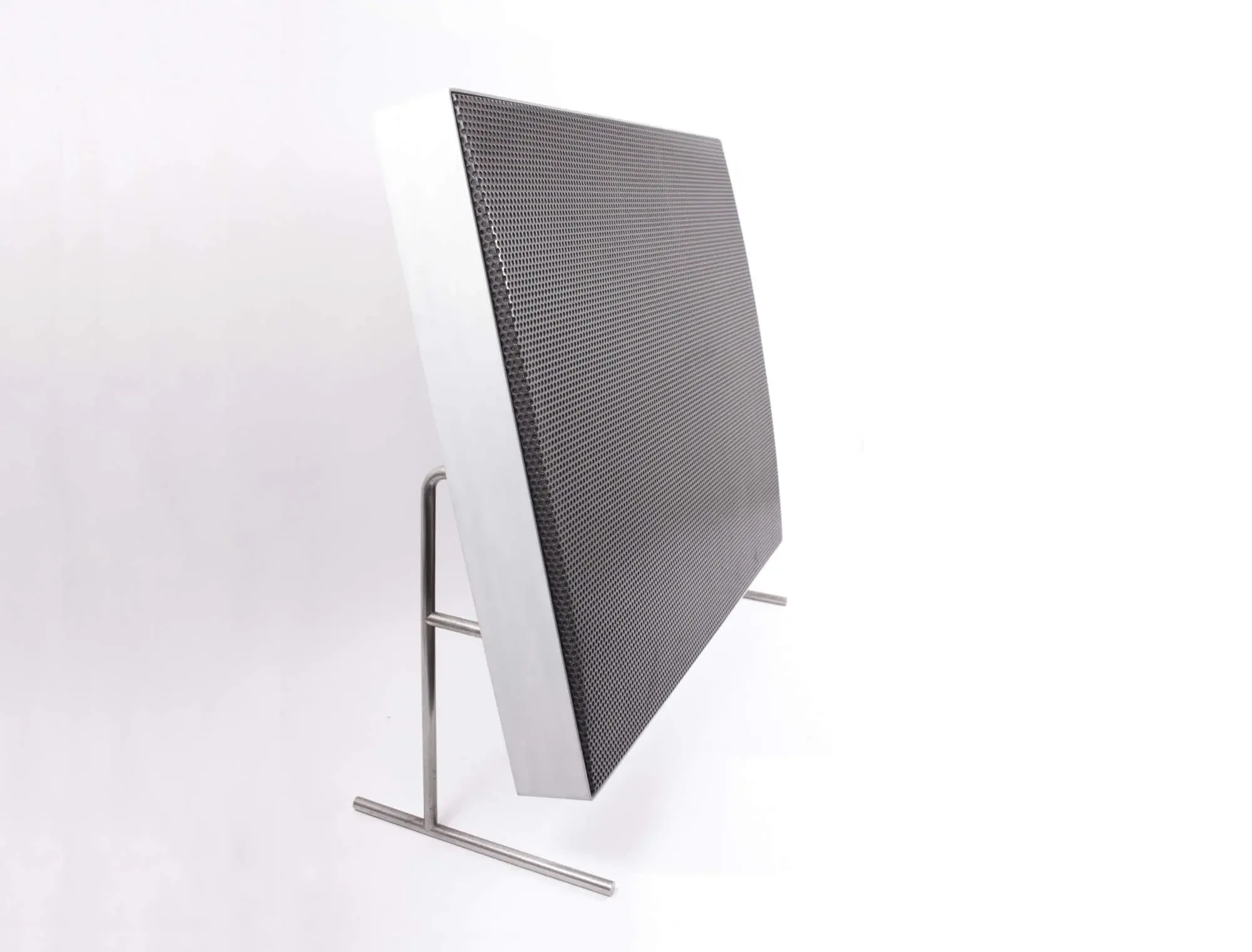
Honest design is basically Rams saying, do not pretend. Do not make something look stronger than it is, more premium than it is, or more capable than it is. No fake cues, no “performance” styling, no features that exist just to sell the idea of value. The product should communicate what it genuinely does, and what it is genuinely made of.
I will be honest as well, about halfway through writing this blog I realised I was repeating myself a lot. The same ideas kept coming up in different sections, and at first I thought that was a problem. Then it kind of clicked that this is the whole point with Rams. The principles overlap because they are all pointing at the same core mindset. Clarity, restraint, usefulness, and respect for the user. You cannot really talk about “honest” without drifting into “understandable” or “unobtrusive,” because they are all connected.
This is where a lot of modern products feel a bit suspect. You see fake textures, fake vents, and details that look “rugged” but do nothing. You also get glossy marketing language that makes ordinary features sound revolutionary. Rams’ approach is the opposite. If it is metal, it feels like metal. If it is plastic, it does not try to disguise that. Controls look like controls. Nothing is dressed up to be something else.
What I like about this principle is that it is not just ethical, it is practical. When a product is honest, you trust it more, and you use it with less friction. It also ages better, because it is not built around a trend or a visual gimmick. In Rams’ world, honesty is not a style, it is a relationship with the user. The product meets you where it actually is, and that feels strangely refreshing now.
Good design is environmentally friendly
This is the principle that feels the most urgent now, and also the one that makes me a bit frustrated, because since Rams’ time I would argue things have only gotten worse. The whole nature of product design today is tied up with consumerism. New releases, new colours, new “must-haves,” and a mindset that replacement is normal. Even when products still work, they get binned because the next version exists.
Rams’ take is basically the opposite. He believed design should contribute to protecting and sustaining the environment, and that it should conserve resources and reduce “physical and visual pollution” across a product’s life. That is such a different definition of progress. It is not “newest and bleeding edge,” it is “do you actually need more, or do you just need something that works properly for what you require.”
When it comes to whether he made specific efforts around material sustainability, the clearest thing he pushed was not “eco materials” in the modern sense, it was designing things to last and not be replaced. That is where his environmental thinking shows up the strongest. Systems like Vitsœ’s 606 being designed to adapt and stay in use for decades is a good example of that mindset in practice.
I honestly think a lot of Rams’ morals need bringing back into modern design. It might even take legislation in some areas, because companies are always going to be tempted by mass manufacture and disposable products if there is no pressure not to. The environmental impact just keeps stacking up. This is definitely something I want to cover in more blogs throughout the year, because sustainability is such a hard topic. It is not just a design problem, it needs a full culture shift in how people think about buying, owning, and replacing things.
Good design is thorough down to the last detail
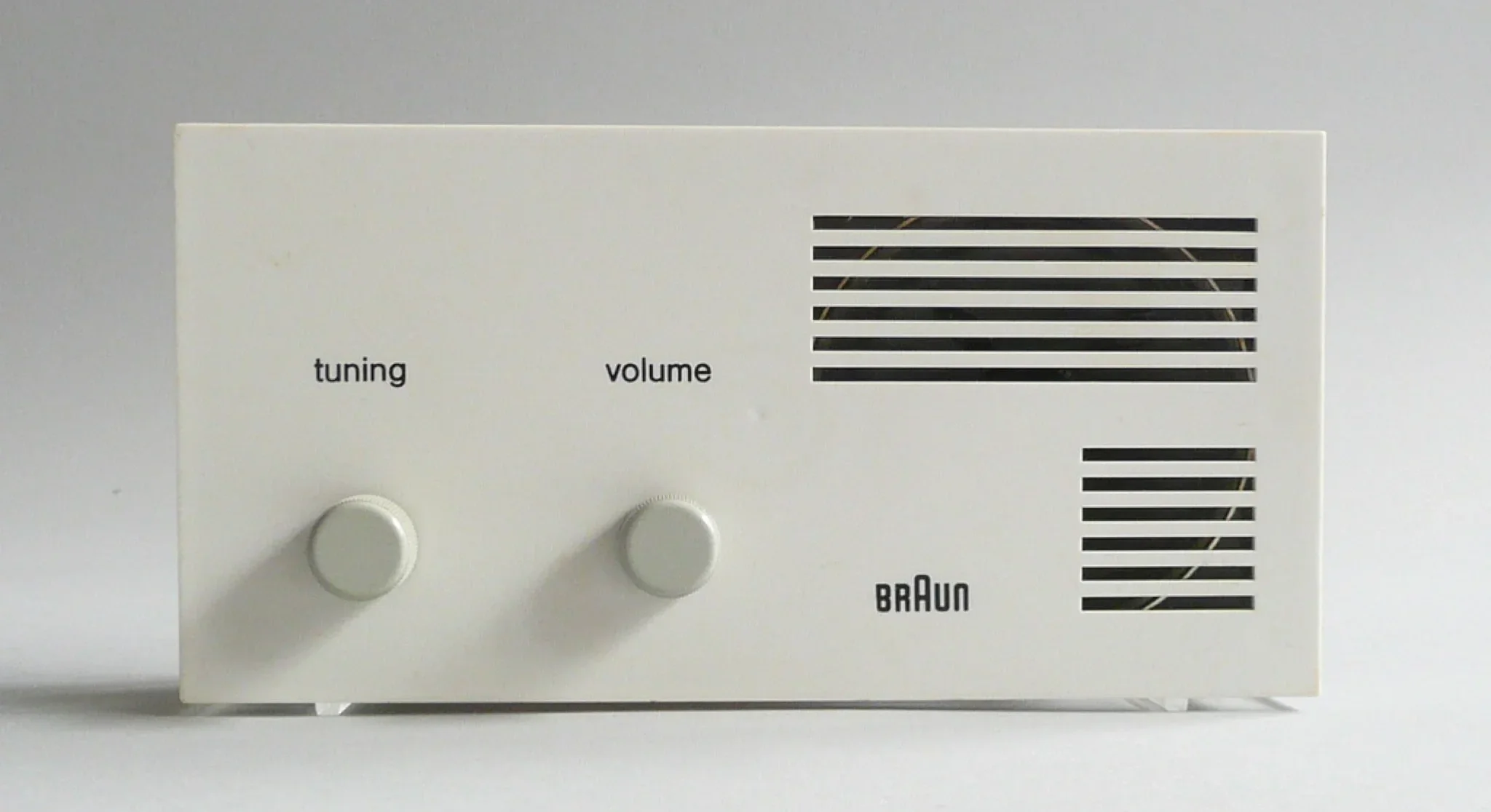
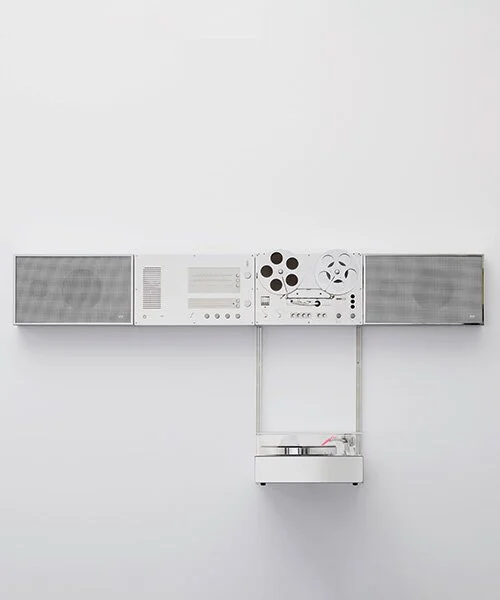
This is one I have always been conscious of growing up. I was always drawn to products where you could tell the same care had gone into the inside as the outside, even in the parts most people never see. Wiring, fastenings, labels, assembly, the unglamorous bits. You can feel when something has been properly thought through, and you can feel when it has not.
That is what Rams means here. Good design is not just a clean exterior with chaos underneath. It is consistency. Every choice has a reason, and the details are there because they improve how the product works and how long it lasts. It also links back to the other principles, because being thorough usually makes something more understandable, honest, and durable.
I also think this goes beyond product design. I have always believed you should try to do things to the best of your ability. In reality you have to balance that with time and deadlines, but the mindset still matters. Rams feels like someone who valued that level of care as a principle of design and of life.
Good design is as little design as possible
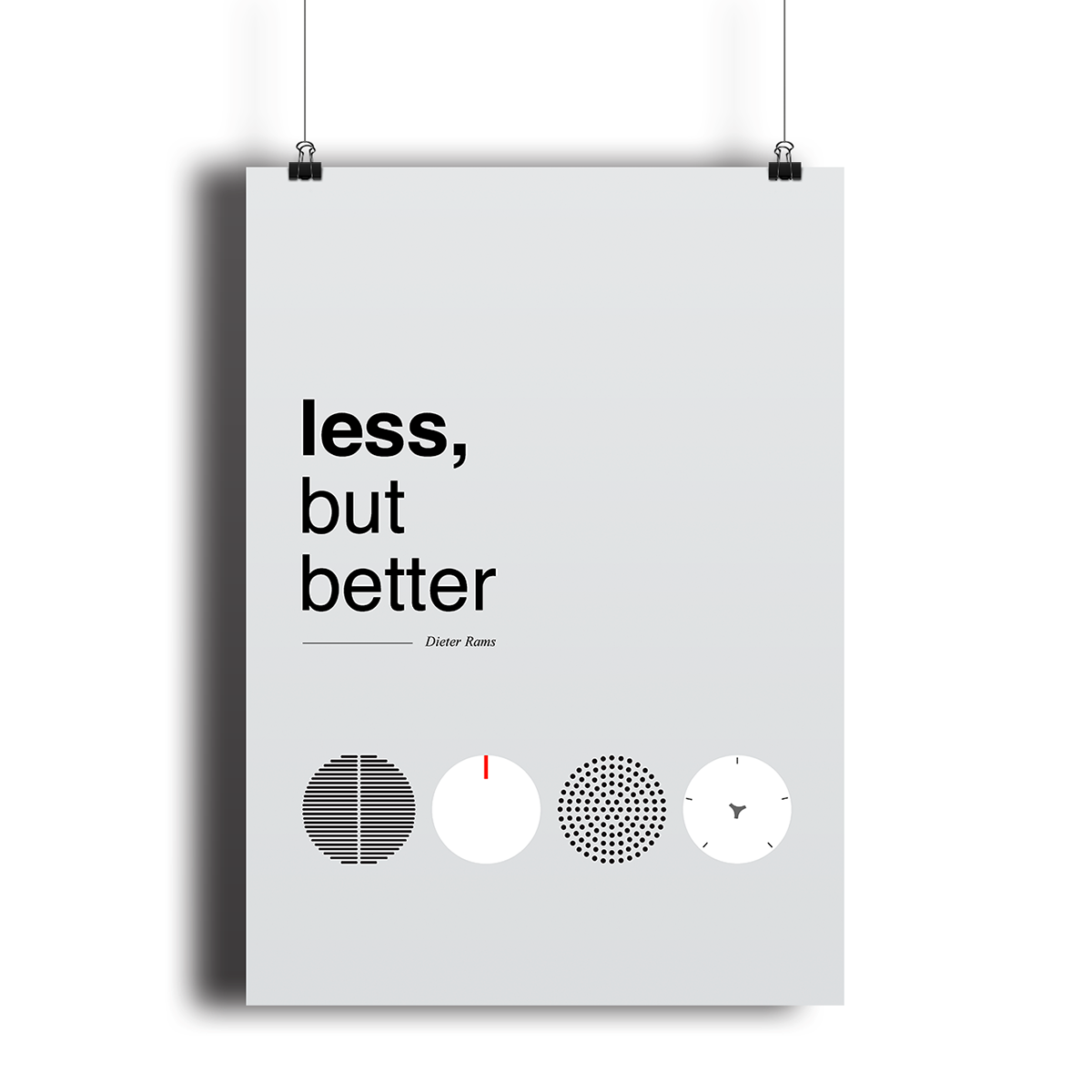
This principle is basically the thread that ties all the others together. If something is useful, understandable, honest, and built to last, it usually ends up simpler by default. Not empty, not stripped for style, just focused.
For me, this is also the most impressive type of design. Anyone can keep adding. It takes real judgement to know when it is enough, when to stop, and when the best move is to leave something alone.