Set Design
05.01.26
Set Design
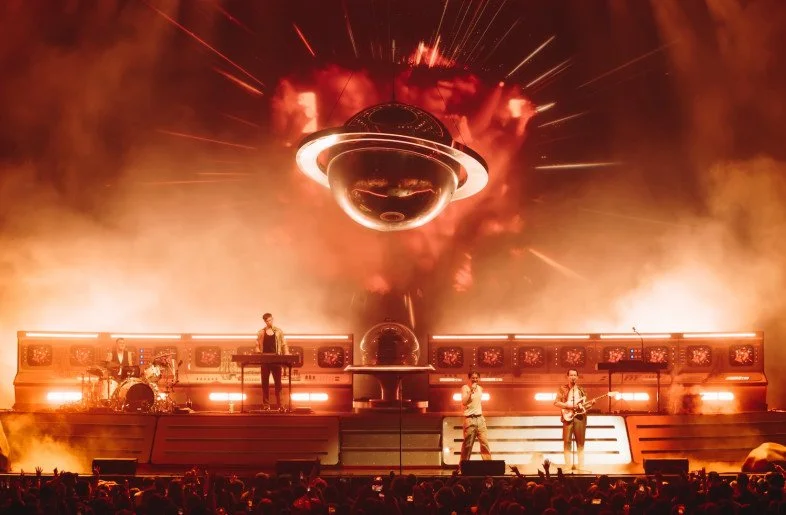
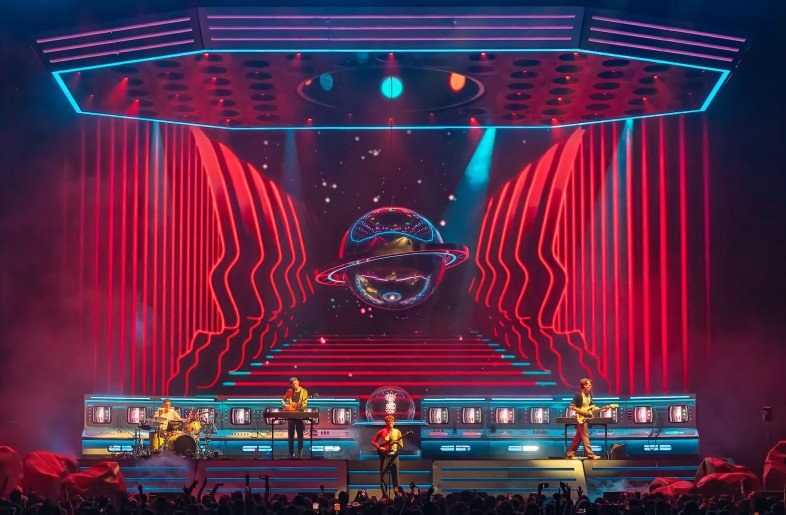
Set design is something that has evolved alongside live music itself. As music has become increasingly mainstream and accessible, the live performance has had to offer more than sound alone. What was once centred purely around the artist and the music has grown into a wider, more immersive experience. In response, set design has become a critical part of how performances are conceived, remembered, and valued.
As audiences have grown and expectations have shifted, sets have become more elaborate and more intentional. Immense lighting displays, moving stage components, large scale screens, and carefully choreographed visual moments are now commonplace. Designers and artists are continually raising the bar, not simply to impress, but to differentiate. In a crowded industry, the live show must feel like an event, something distinct and unrepeatable, and set design has become one of the primary tools for achieving that.
My Experience
This was something I first noticed at the Fred Again concert in Glasgow, late 2025. Growing up, I had not been to a huge number of live events, especially not at this scale, and even during my time at university, nothing compared to the hype and sense of occasion of this event. We heard about the tour, and the fact it was starting in Glasgow before going off around the world for 10 weeks, in 10 different locations. This was a concept in itself that I felt was very unique and added an excitement to the tour that others seemed to lack. The new locations were only announced in the week of the show, making ticket purchase pretty difficult and uncertain.
We were sitting in a lecture on the morning of the Glasgow ticket release and thought it would be worth at least trying to get some, not expecting anything to come from it. Joining the waiting list in the 90,000s was not a promising start, but nonetheless we waited to see. After being kicked out of the website, we thought we were out of luck, but upon refreshing the site multiple times, we somehow ended up on the ticket purchase page and were offered the option to add tickets to our basket. A group of nine of us ended up going, still pretty surprised we had managed to secure that many tickets.
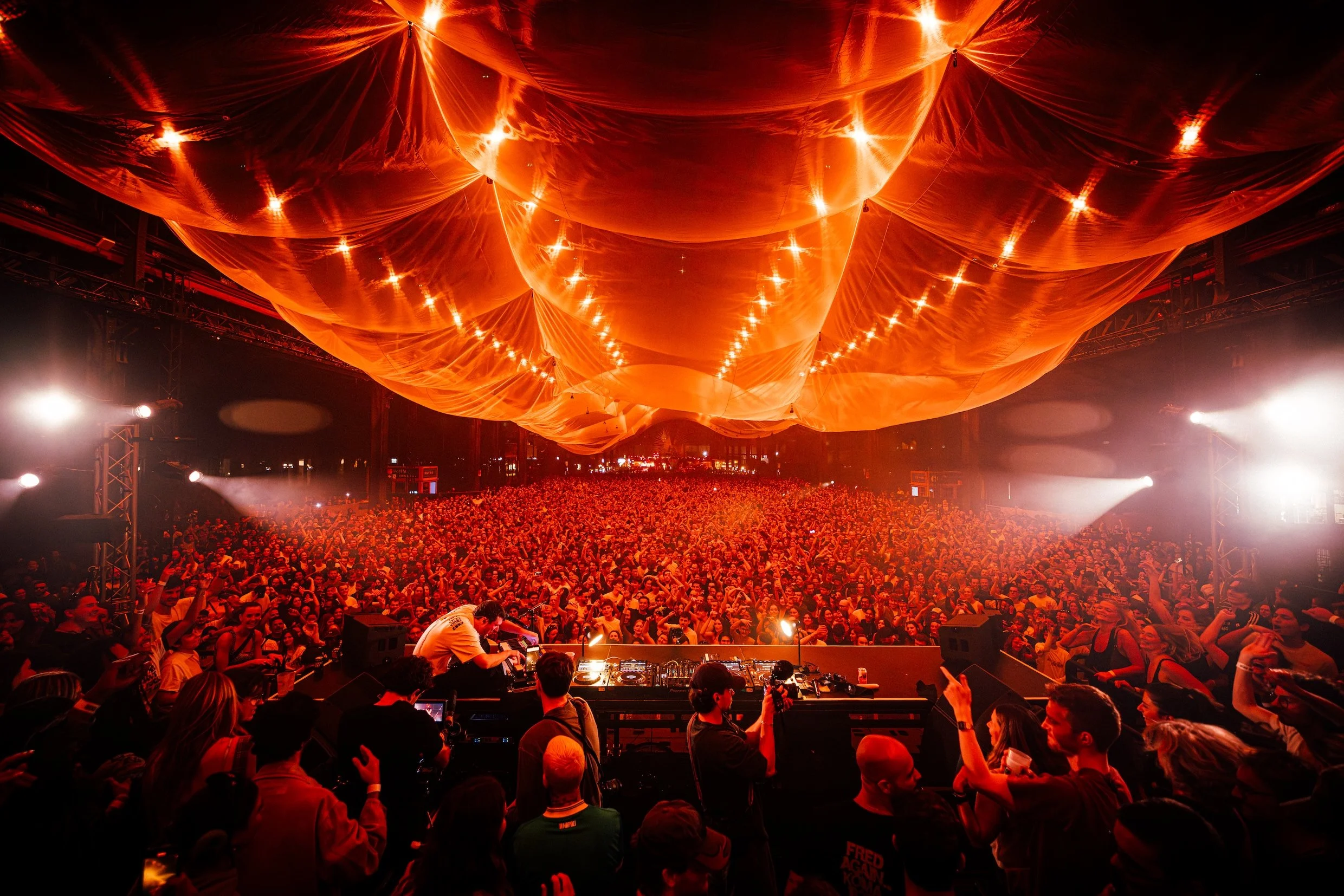
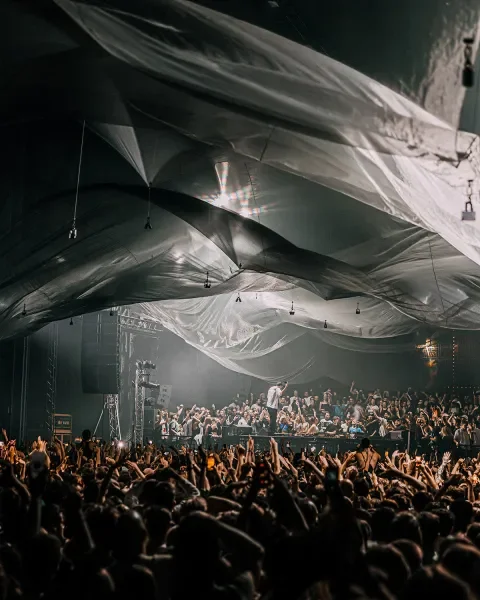
I had seen some teaser images of the venue set design via social media. It had a flowing canopy that was suspended from the ceiling on a grid of cable actuators. The cables would lower sections of the sheet at different locations to create a wave-like effect that came down close to the audience. The lights would shine through from the front and exaggerate the scale and effect of the installation, giving an otherworldly atmosphere.
The thing I appreciated most about it was how simple it was in principle, but how effective it was for the event. It was a very unique aesthetic which was continued across the rest of the locations the tour went to. This is a perfect example of what I mentioned earlier, about the impact of creating a repeated environment that becomes synonymous with the artist and the respective tour.

Location Choice
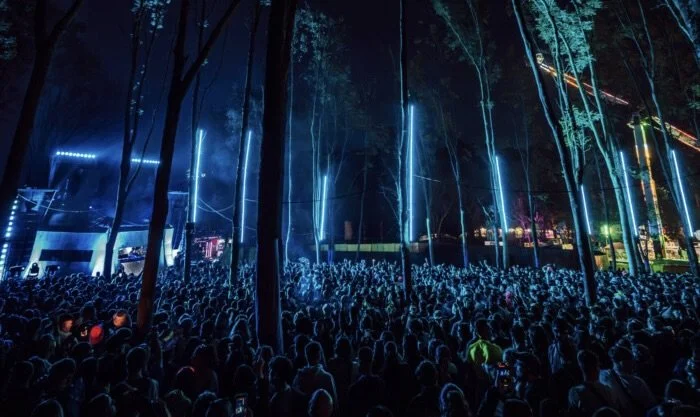
With the abundance of music festivals becoming ever greater, they have begun to diverge from fields and parks. You can now find festivals in previously uncommon locations, beaches, forests, and even abandoned quarries. These places often lend themselves to the event in a way that reduces the need for elaborate installations, with the environment itself doing much of the work.
When a setting already carries atmosphere, scale, or a sense of otherness, the role of set design shifts. Rather than building spectacle, designers are tasked with responding to what is already there. Lighting becomes a way of revealing or accenting the space rather than overpowering it, and structures are often minimal, designed to sit within the landscape rather than dominate it. The result can feel more immersive and more memorable, not because more has been added, but because less is needed.
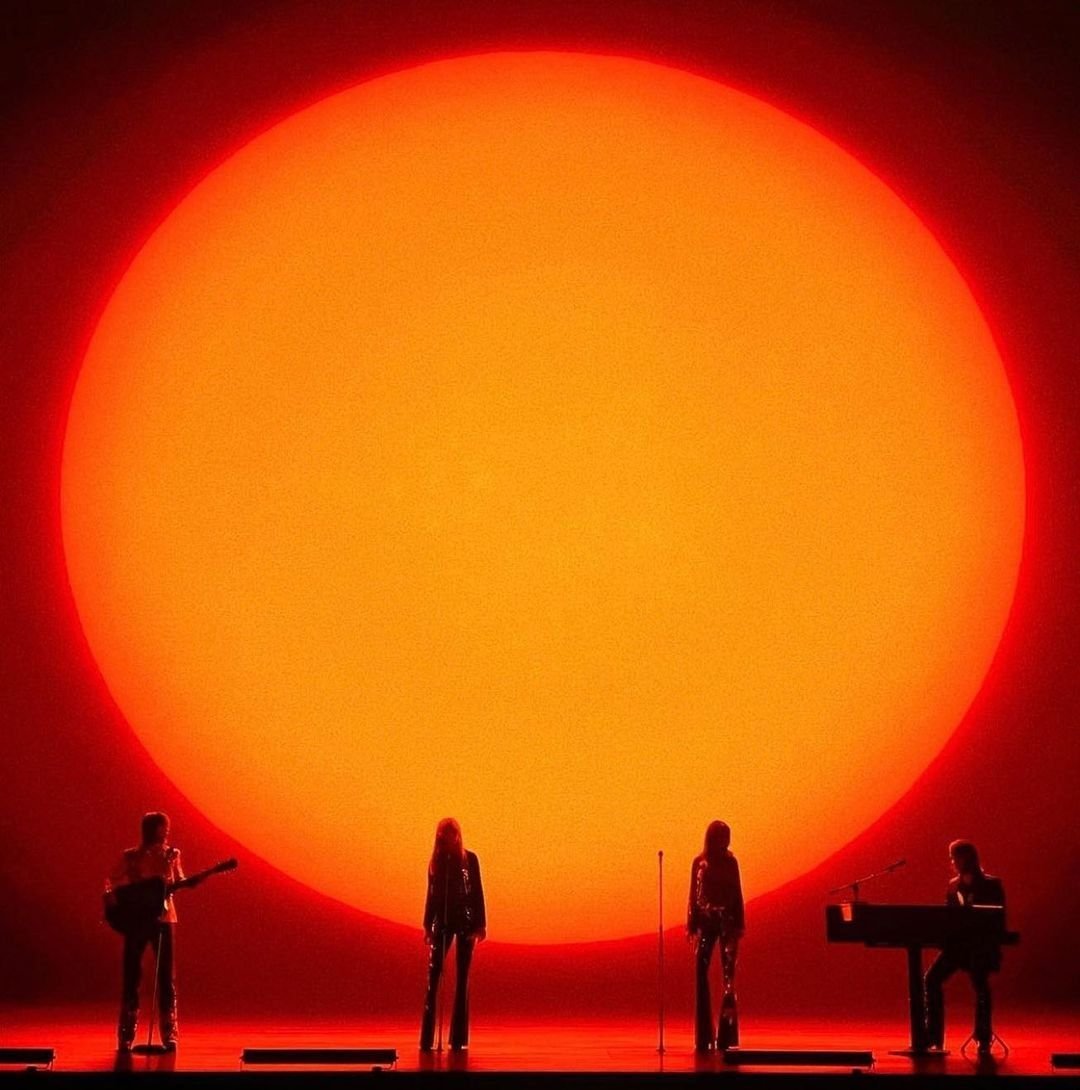
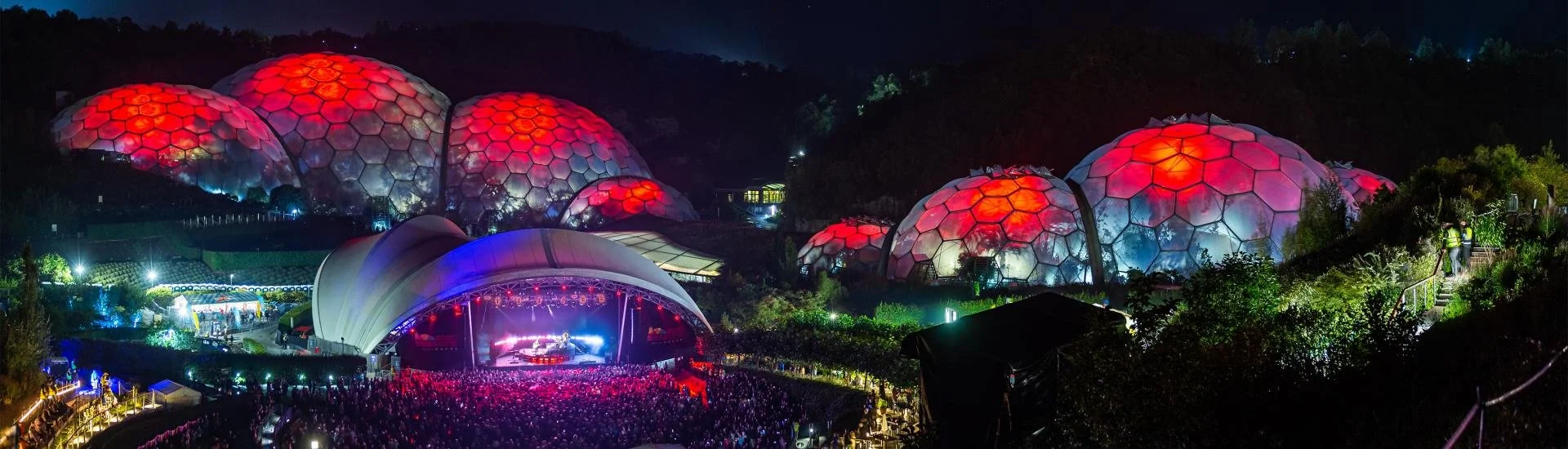
A particularly striking example of this can be found at the Eden Sessions, which takes place within a former china clay quarry in Cornwall. The natural bowl of the quarry creates a contained, immersive environment where sound, light, and crowd are held within the landscape itself. In this context, the setting does much of the atmospheric work, allowing set design to remain relatively restrained and responsive, using light and minimal structure to enhance what is already present rather than attempting to override it.
In cases like this, set design becomes about sensitivity rather than scale. The location shapes the atmosphere, and the design simply helps people notice it.
The Future of Set Design
I think in the future, set designs, particularly for music, will return to more simple and clean aesthetics, as many modern design movements are. There are already examples of where people are focussing more on the environment and its impact, rather than the complexity of the design and lighting additions.
I think this has more potential for uniqueness as it makes the travel and arrival at a location more of an occasion. I think an important factor that is coming back to live performance is the involvement of the audience and how they can contribute to the environment and vibe of an event. This also brings the potential for celebrating existing design, particularly through location, and its significance to the world of live music.
Historic Set Design
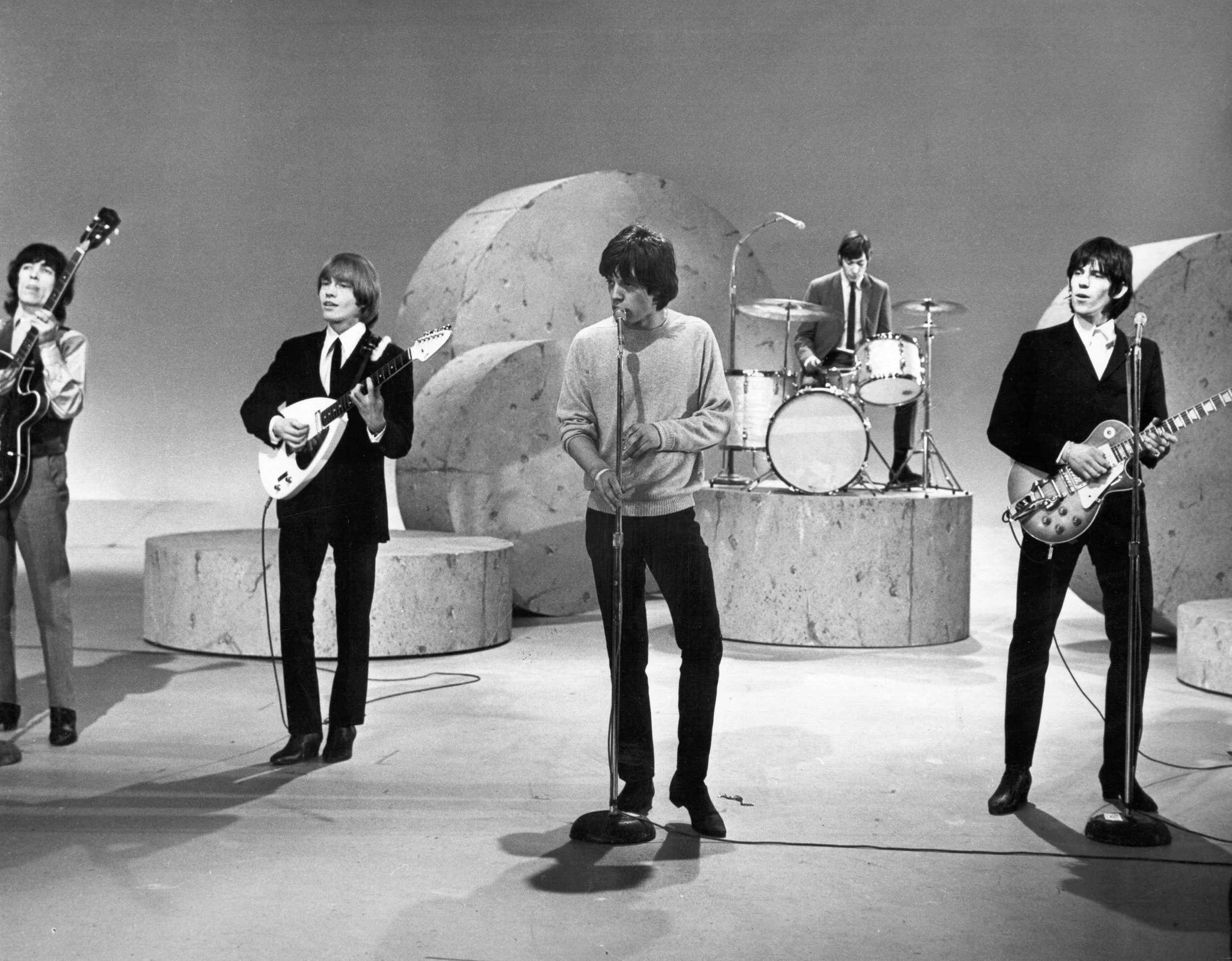
For a long time, set design wasn’t something audiences thought about at all. Live music happened in whatever space was available, pubs, halls, theatres, community centres, and the stage was simply the place where the equipment ended up. There was no expectation that the environment would change throughout the performance, or that it would guide how the music was felt. The visual significance of the musicians and singers themselves was more significant than the modern equivelant, particularly with DJs being hidden behind a barrage or tables and audio equipment.
Early gigs were visually honest. Cables were visible, lighting rigs were fixed, and the space looked much the same at the start of the night as it did at the end. Any sense of atmosphere came from the crowd, the volume, and the performers themselves. If a moment felt intense or intimate, it was because of how it was played, not how it was lit.
Visual elements, when they did appear, were usually practical or symbolic. A band name painted on a backdrop, a curtain, a simple colour wash. These weren’t there to impress, but to give a sense of identity. They acted as markers rather than storytelling tools.
Because the technology wasn’t there, design decisions were made through limitation rather than ambition. Touring meant moving quickly, carrying everything yourself, and setting up in unfamiliar spaces. Sets had to be adaptable, durable, and easy to rebuild. In many ways, this restraint created a closeness that is harder to achieve now. The audience shared the same light, the same air, and the same imperfections as the performers.
Looking back, it’s clear that these early approaches weren’t missing anything. They simply placed importance elsewhere. Understanding that shift helps explain why modern set design feels so significant, not because it replaces what came before, but because it builds on it in response to scale, technology, and expectation.
When Music Set Design Becomes Cinematic
As live music has grown in scale, it has increasingly borrowed from the language of cinema. Lighting, staging, and visual sequencing now often mirror the way films are structured, building tension, release, and narrative through carefully controlled moments rather than constant spectacle. In many modern performances, the set functions less like a backdrop and more like a moving frame, guiding how the audience reads each moment.
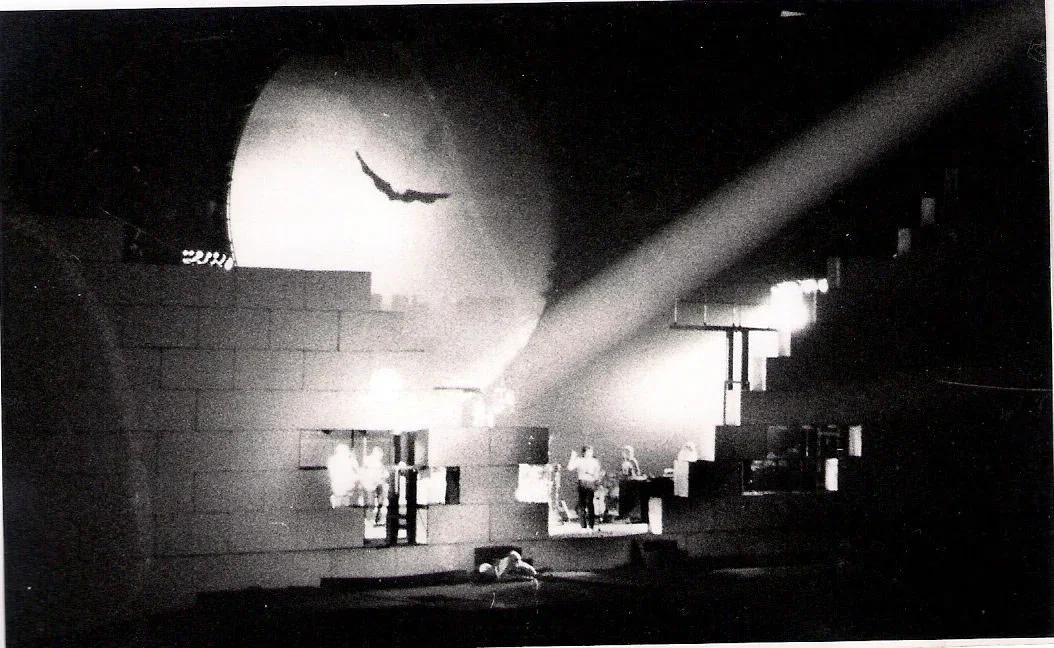
A clear example of this crossover can be seen in the work of Pink Floyd, whose live shows in the late twentieth century directly echoed the visual language of their album artwork and film projects such as Pink Floyd – The Wall. The physical construction of walls on stage, the use of projection, and the gradual transformation of the environment over the course of a performance mirrored cinematic storytelling techniques more than traditional concert staging. The set did not simply accompany the music, it progressed alongside it.
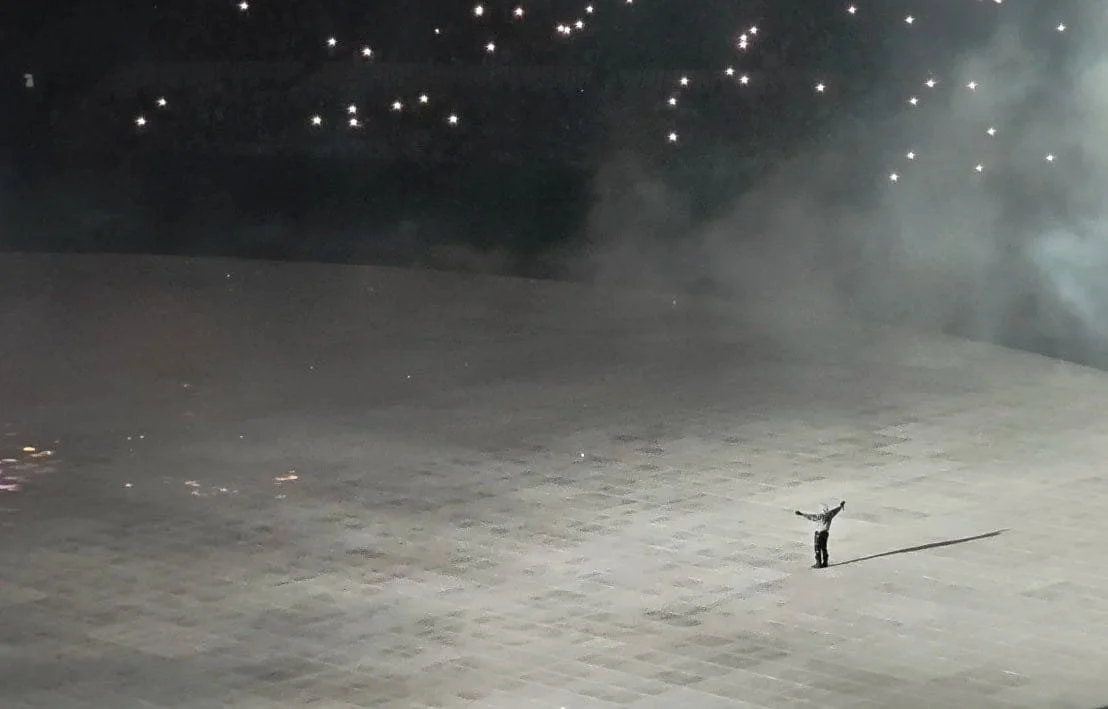
More recently, artists like Kanye West have drawn heavily from filmic minimalism. His Yeezus and Donda era performances used vast, stripped back stages, strong silhouettes, and controlled lighting in ways that closely resemble science fiction and dystopian cinema. The scale and emptiness of these sets recall the visual tone of films like Blade Runner 2049, where space, light, and isolation are used to convey emotion more than explicit narrative.
The influence also runs in the opposite direction. Concert visuals and lighting techniques have begun to inform how films are staged and shot, particularly in music driven or performance focused scenes. Rapid lighting changes, strong colour blocking, and abstract stage imagery now appear frequently in film and television, blurring the line between live performance and cinematic spectacle.
In both cases, the similarity lies not just in appearance, but in intent. Music set design and film production design are solving the same problem, how to guide emotion through space. One does it in real time, the other through editing, but both rely on rhythm, restraint, and visual storytelling to make moments land.