Great Design
15.03.26
What is Great Design?
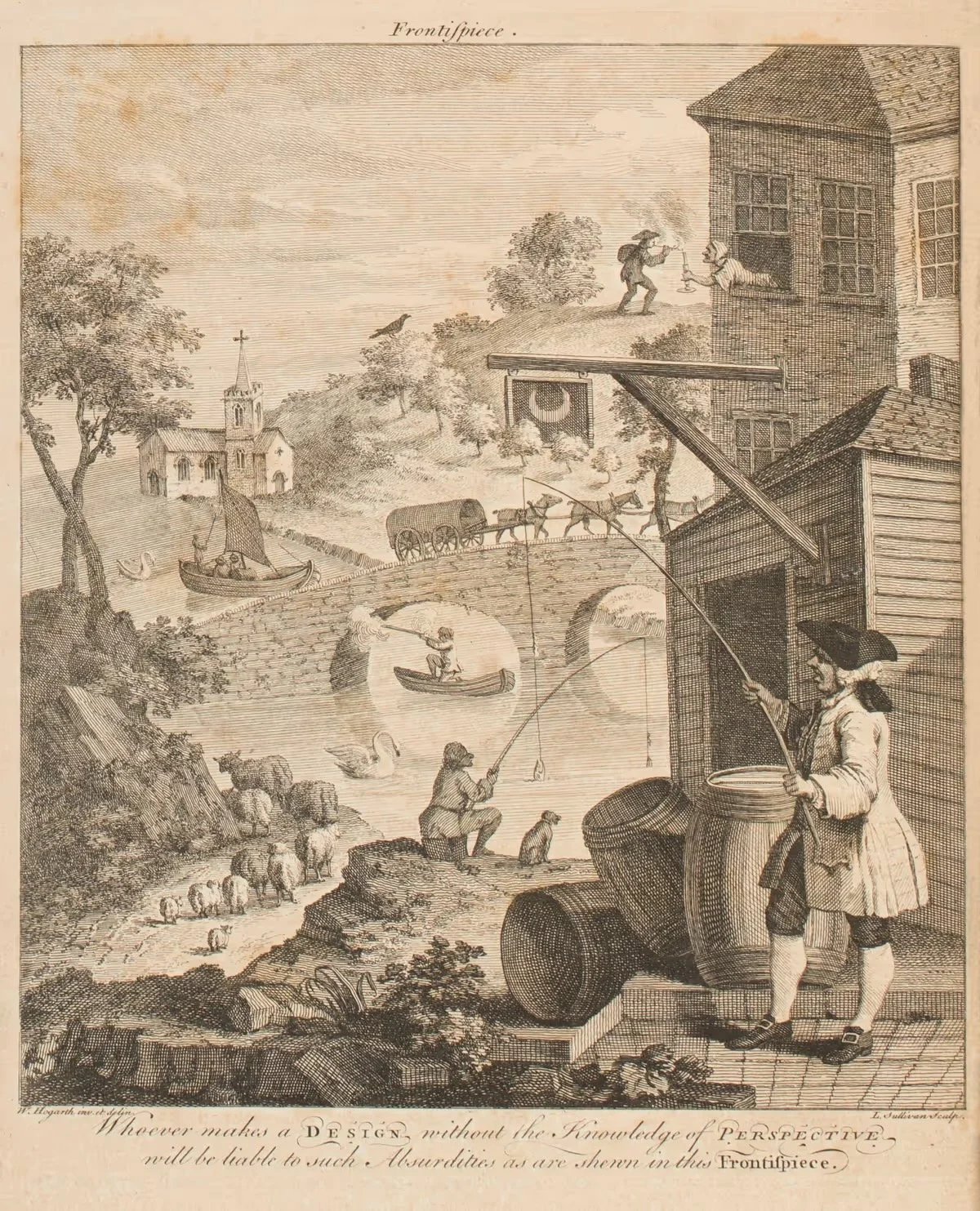
It is a great question, and one of those questions that sounds simple until you actually try answer it properly. After Nicholas Oddy’s talk, I realised how much the “answer” depends on what time period you’re standing in. In the modern world, we’re lucky, we can decide for ourselves what we think is great, and we can change our mind every week if we want. But for a lot of history, there was far less room for interpretation. Great design wasn’t just about what moved you, or what felt nice to use. It was tied to rules, status, religion, industry, politics, and what society decided was valuable at the time.
That’s why I liked the way this topic framed our year. At the start of 4th year we brought in an object we personally thought was great design, and it was a very “present day” exercise. It was about our taste, our instincts, what we value. Then one of the final talks swings back to the same question, but from the opposite angle, reminding us that taste isn’t born in a vacuum. The world sets the conditions for what gets celebrated.
False Design
One idea Nicholas raised that stuck with me was “false reality.” The example he gave was flowers on a dress. It’s a 2D surface pretending to be something 3D and living. In one sense it’s a lie, it’s not the real thing, it’s an image of the real thing. But it also made me think that design has always played with that line. Humans have always represented the world, simplified it, abstracted it, exaggerated it, and turned it into symbols. Sometimes that’s shallow, sometimes it’s powerful. A flower pattern can be pure decoration, but it can also be memory, identity, longing, even status. So maybe the “lie” is not the issue, maybe it’s the intention behind it. Is it trying to tell a story, or is it trying to trick you?
I read about Henry Cole’s 1852 “gallery of false principles,” which was basically an exhibition set up to shame objects they thought showed the worst taste. A lot of what they attacked was decoration that copied nature too literally, like fittings shaped like flowers or wallpapers covered in animals, and they treated it like it broke some sort of design law. What I found most interesting is that it shows how “false design” is not just about the object, it’s also about who gets to decide what counts as correct taste. It even got criticised at the time for feeling like it was sneering at ordinary people.
I found it interesting that I have never considered this aspect of design quite like this before. But I’ve always felt that design which is just a direct recreation of an existing thing can lack creativity. Still life drawing never interested me from a creative point of view, even though the skill level is obviously insane. I’m more drawn to work that translates reality rather than copies it, where you can tell the designer has interpreted something and left space for the viewer to build their own meaning.
Then, as you move through the last century, you can see the rules changing again and again depending on what the world needed. War, rebuilding, industrialisation, consumer culture, globalisation, digital life. Different periods rewarded different kinds of “great.” Sometimes it was ornament and display, sometimes it was modernity and progress, sometimes it was efficiency and mass production, sometimes it was branding and desire, sometimes it was experience and interface. Even now, the thing that wins awards or goes viral might not be the thing that quietly improves someone’s everyday life.
And I think that’s where my own view comes in. I’ve started to believe that great design often comes from the things that don’t shout. The things that feel almost invisible because they just work, or because they leave space for you to project your own meaning onto them. I like designs that aren’t trying to mimic an existing thing perfectly, but are translating something into a new form. Something that lets the user or viewer see what they want to see, and lets their mind do some of the work. In a way, that’s the opposite of being told “this is what to think.” It’s design that invites interpretation.
At the same time, I don’t think great design today can ignore the wider world. In the past, “greatness” might have been tied to wealth, craft, rarity, ornament, even control. Now we’re in a period where design has to answer for its impact. Not just how it looks or feels, but what it costs the planet, what behaviours it encourages, what it normalises. Great design has to sit inside bigger systems, supply chains, repair, waste, energy, attention, culture. That’s not a trendy add-on, it’s the reality of modern life.
So if I’m trying to define great design in my own words, it’s something like this: great design has an underlying utility, even if that utility is emotional, cultural, or social. It comes from a real point of view, shaped by someone’s experiences and the world they live in. It carries meaning, whether quietly or loudly. And now, more than ever, it needs a conscience, because design can have a massive effect on the way that people think about bigger things within the world today.
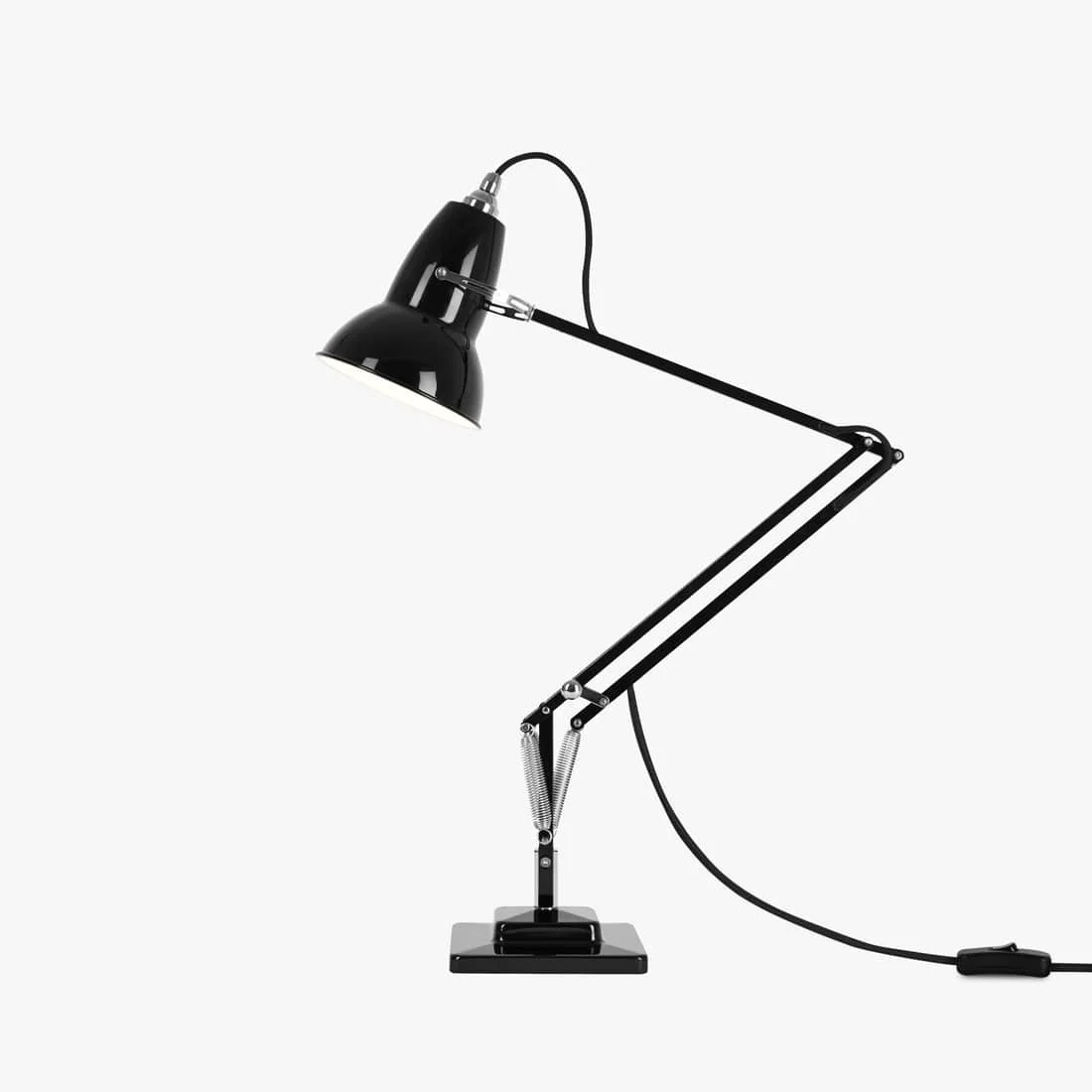
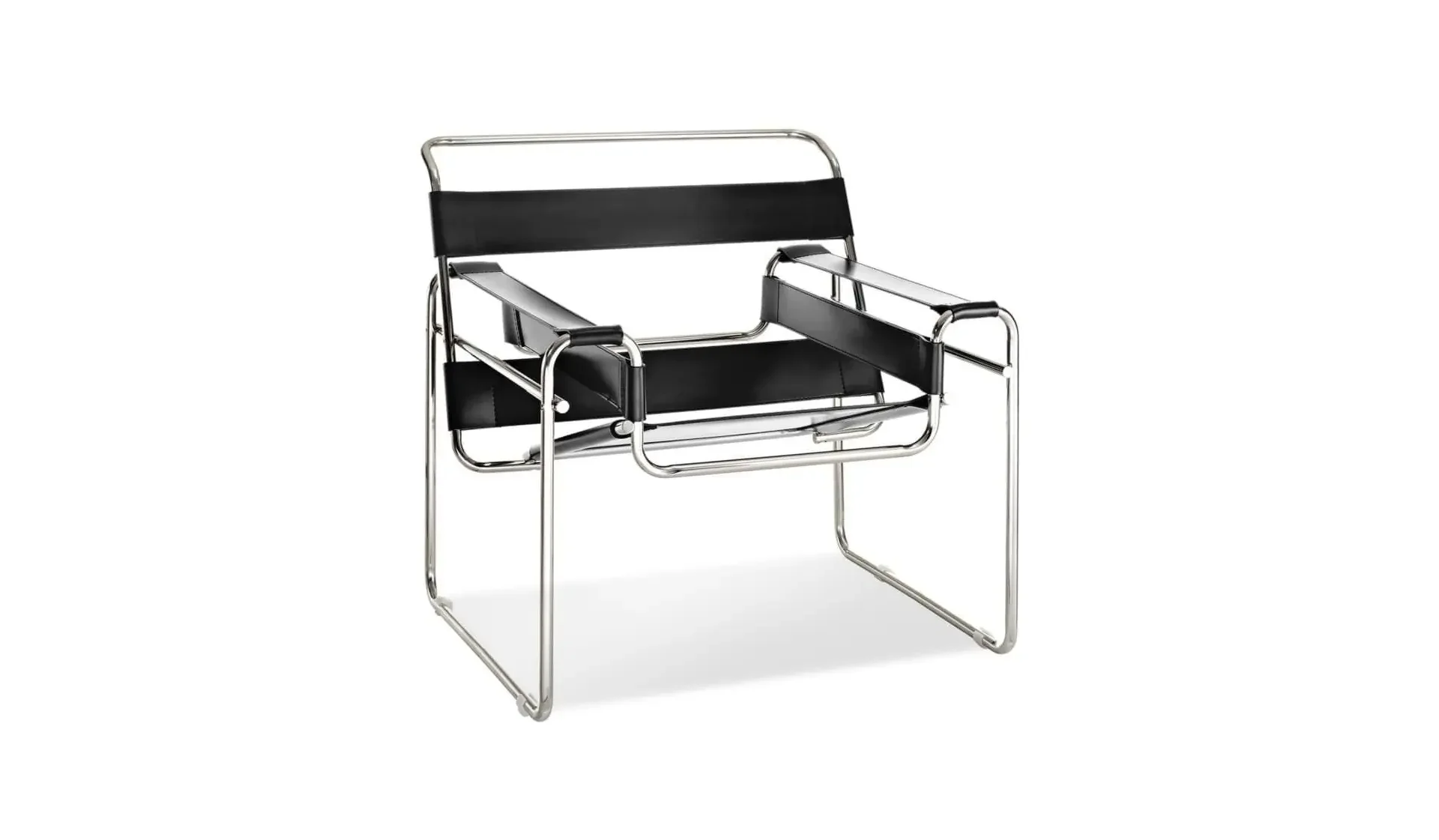
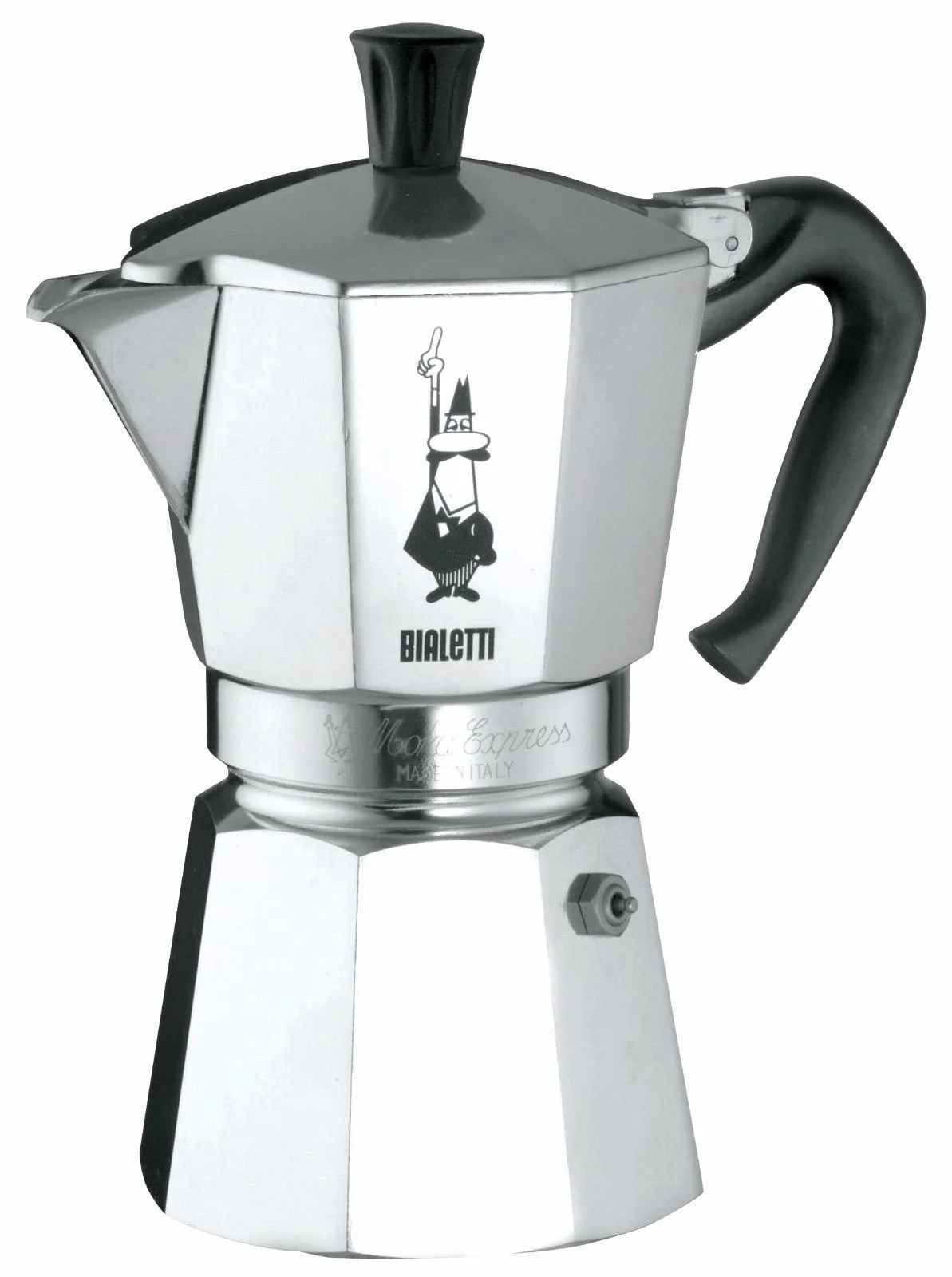
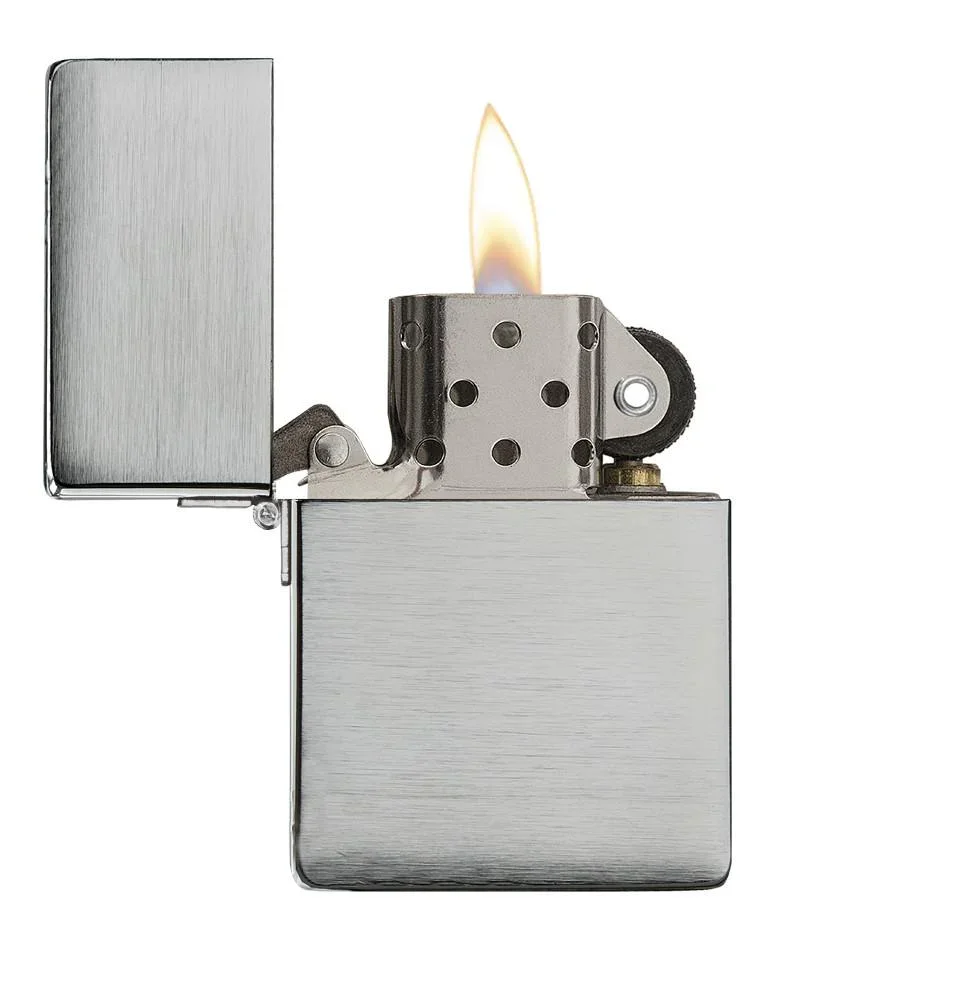
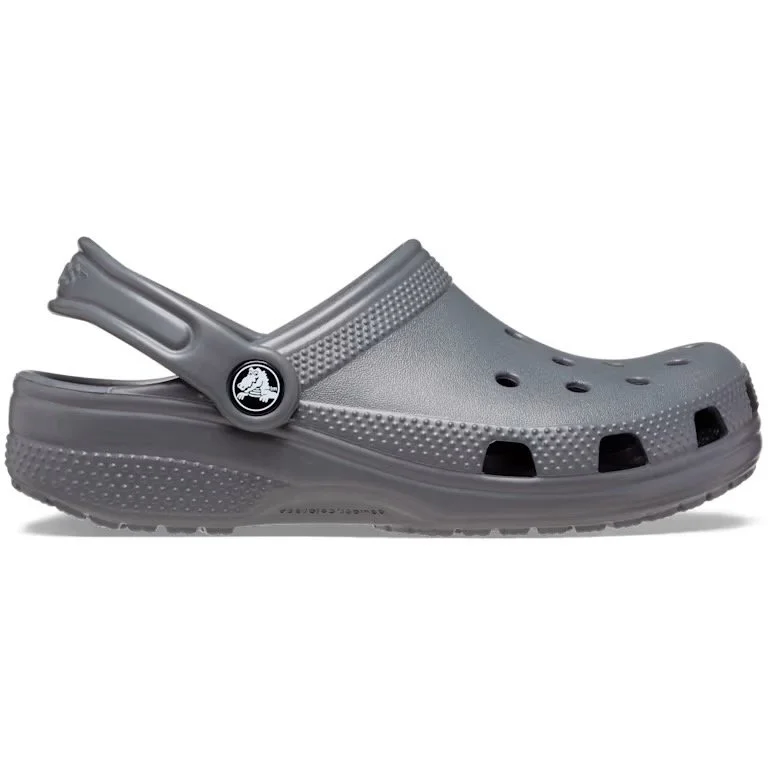
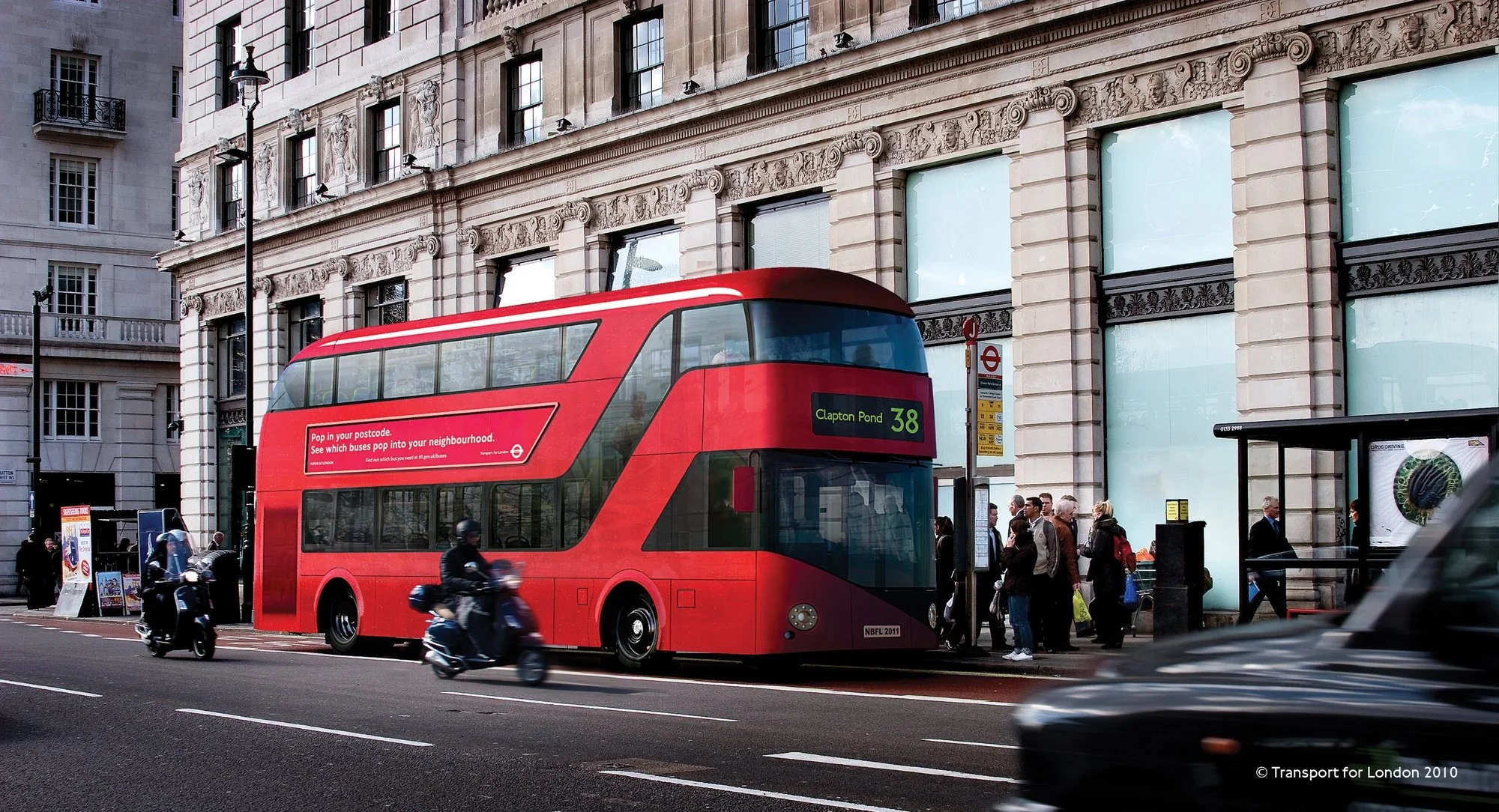
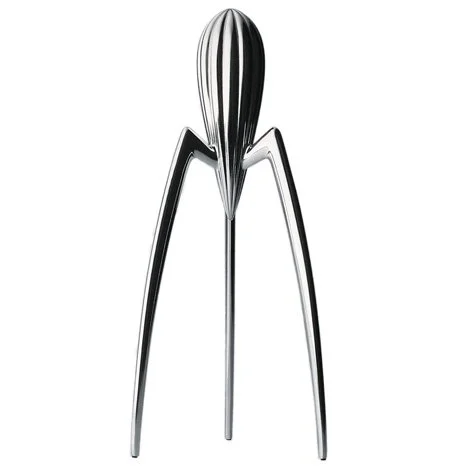
Below are some examples of what I deem to be great design in modern times. Just a few things that come to mind from my recent activities.