Emotional Design
14.02.26
Why do we replace the things that still work, but keep the things that no longer do?
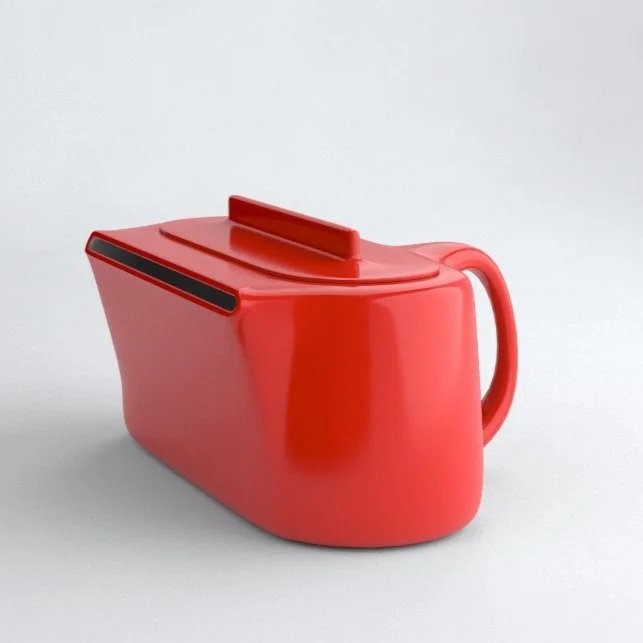
Coming back to emotional design
A classmate mentioned something recently that made me start thinking about emotional design, and I have noticed it more and more since then. It also reminded me of a book I read last year, Emotional Design: Why We Love (or Hate) Everyday Things by Donald Norman. At the time, I understood the idea, but I do not think I fully noticed how often it appears in everyday life until I came back to it this year. Norman talks about how design is not only about function, but also about how objects make us feel. One of his main ideas is that we respond to design on different levels: how something looks and feels at first glance, how well it works when we use it, and what it means to us personally over time.
That last part is what interests me most now. An object can be badly designed in a practical sense, but still have a strong emotional value because of the memory or meaning attached to it. It might not be useful anymore, and it might not even work properly, but it can still feel important. Reading Norman’s ideas again made me think about how much of design exists beyond performance. Sometimes the reason we keep something has nothing to do with whether it is the best version of that object. It is because it has become connected to a person, a place, a routine, or a version of ourselves.
Objects that become shortcuts to memories
I know I do this myself. I will keep things that have absolutely no use if there is some kind of reasoning behind them. It might be a small object from a trip, something someone gave me, an old sketchbook, a hoodie that is past its best, or just something that reminds me of a certain period of time. In most cases, the object itself is not really the point anymore. It has almost become a shortcut back to a memory.
At the same time, I am very likely to upgrade to a newer phone, camera or technology item, even when the one I already have works perfectly fine. I do not think that comes from the same kind of attachment. It is more aspirational. I want the newer thing because it feels like it will help me do what I want to do better, faster or more easily. A new camera feels like better work. A new phone feels like less friction. A new piece of technology feels like a small step towards a more capable version of myself.
Visceral
Behavioural
Reflective
Emotional durability
It also links to the idea of emotionally durable design, which was developed by Jonathan Chapman. The general idea is that a product does not only need to be physically durable, it also needs to be emotionally durable. In other words, it should give people a reason to keep it. Chapman’s work looks at how emotional attachment can reduce waste by making people less likely to discard products that still have life in them.
I think that is a really important point, because sustainability is often spoken about in terms of materials, recycling, energy use and manufacturing. Those things obviously matter, but they do not solve everything. A product can be made from recycled materials and still be thrown away quickly if nobody cares about it. Equally, something made years ago from ordinary materials might stay in someone’s life for decades because it has gathered meaning. That makes emotional attachment a design issue, not just a personal one.
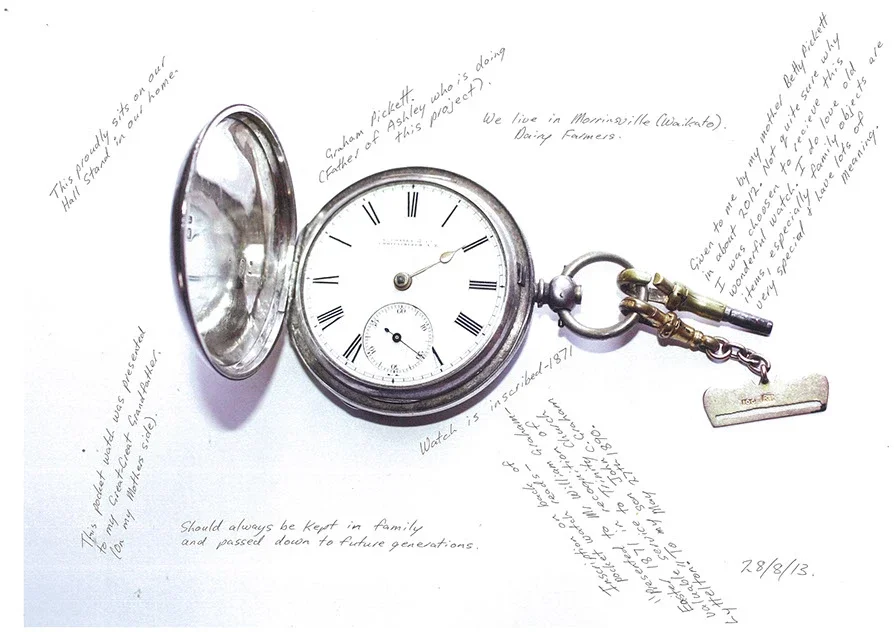
Emotional value versus practical value
That contrast is what I find interesting. One object can be almost useless and still feel valuable, while another can be incredibly useful and still feel replaceable. A chipped mug can feel harder to throw away than a phone that cost hundreds of pounds. A battered old notebook can feel more personal than a perfectly designed app. It does not really make sense if you only judge objects by performance, but emotionally it makes complete sense.
This is where emotional design starts to become more than just a nice idea. Donald Norman’s three levels of emotional design are often described as visceral, behavioural and reflective. The visceral level is the first reaction, what something looks or feels like straight away. The behavioural level is how well it works when you actually use it. The reflective level is the meaning it holds afterwards, including memory, identity and personal value. That reflective level is probably the part I am most interested in here, because it explains why something can be objectively worse, but personally better.