Dying Craft
18.01.26
Dying Craft.
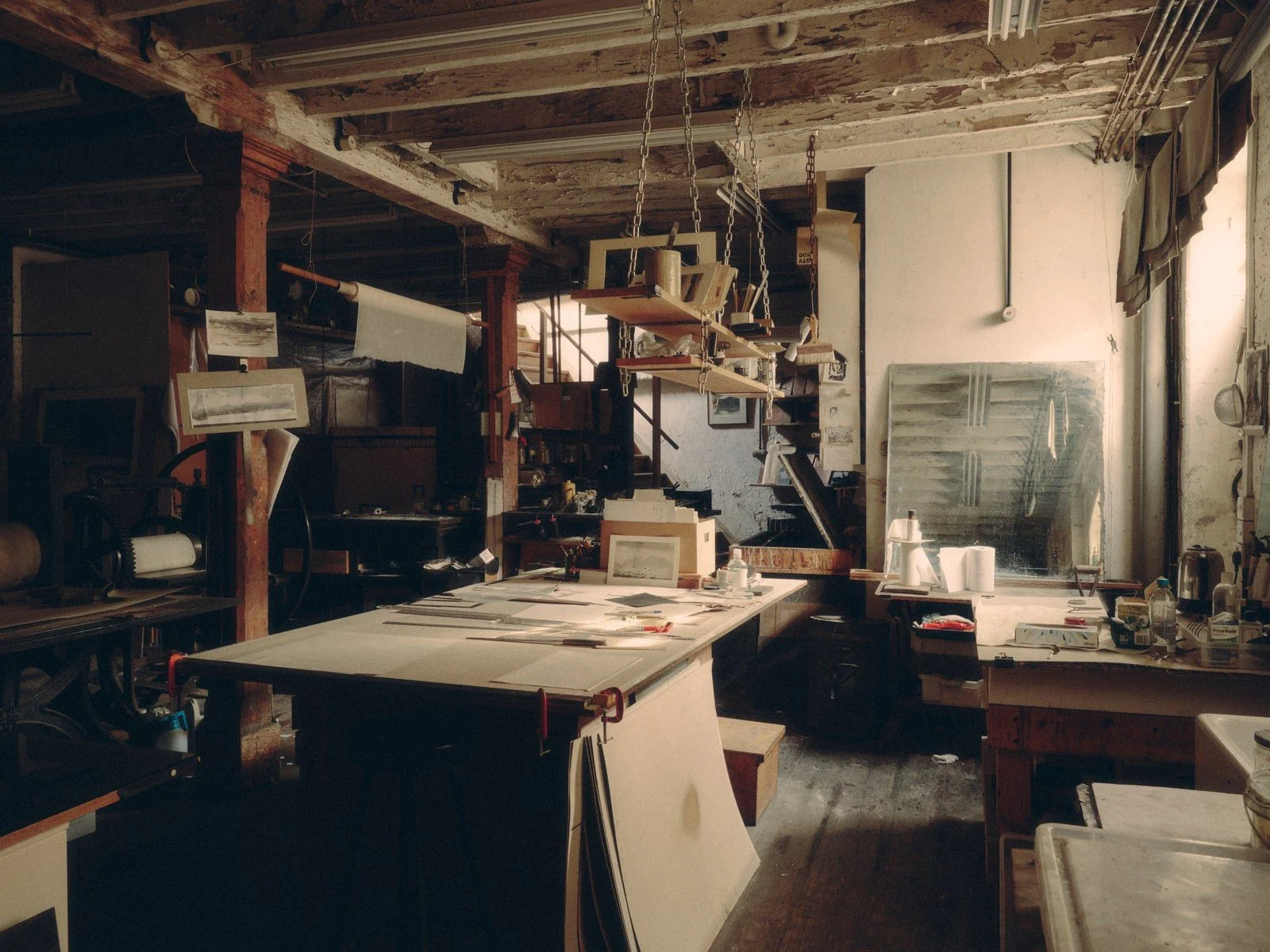
There was a time when making was inseparable from living. Objects were repaired, not replaced. Skills were passed down, not outsourced. Today, speed, scale, and cost efficiency dominate, and craft quietly slips into the background.
In the UK especially, this loss feels pointed. This is a country whose identity was shaped by workshops, foundries, kilns, mills, and benches. From handmade bikes in South Kensington to pottery wheels in Stoke-on-Trent, craft wasn’t niche, it was normal.
During a recent presentation at The Glasgow School of Art, Craig Wittet, Head of Product Design Engineering, spoke about this slow erosion of handmade knowledge. He recalled visiting a traditional shoemaker, Trickers, and purchasing a pair that he still wears years later. A quiet but powerful counterpoint to disposable design.
This Blog discusses this topic and many of the companies and industries that are being affected most heavily.
The Original Crafters
Here is a list of some of the companies you may have heard of, who are famous for their handmade practices…
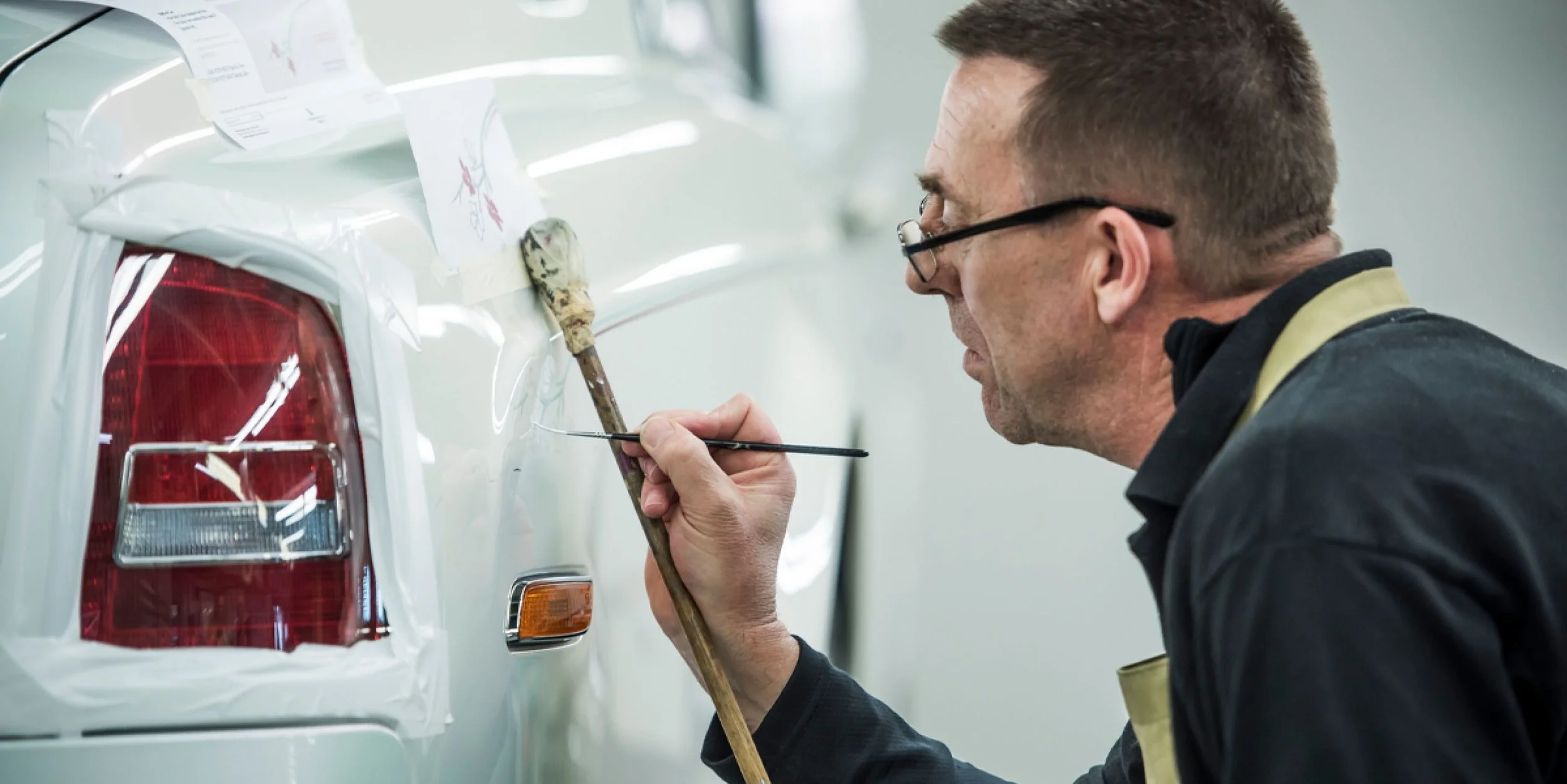
Footwear: Tricker’s, John Lobb, Edward Green, Crockett & Jones, Church’s, Cheaney, Grenson, Loake,Automotive: Rolls-Royce Motor Cars, Bentley Motors, Aston Martin, Morgan Motor Company, McLaren Automotive, Bicycles: Brompton Bicycle, Condor Cycles, Mercian Cycles, Rourke Cycles, Enigma Bicycle Works, Pashley Cycles, Ceramics and Pottery: Wedgwood, Royal Crown Derby, Moorcroft Pottery, Leach Pottery, Denby, Burleigh Pottery, Glass, Dartington Crystal, Caithness Glass, Furniture and Joinery: Ercol, Titchmarsh & Goodwin, Benchmark Furniture, Another Country, Gordon Russell, Textiles and Cloth: Harris Tweed Authority, Johnstons of Elgin, Fox Brothers, Abraham Moon & Sons, Brora, Lighting: Anglepoise, Original BTC, Davey Lighting, Tom Dixon, Cutlery and Metalwork: David Mellor Design, Robert Welch, Taylor’s Eye Witness, Samuel Staniforth, Watches and Clocks: Bremont, Roger W Smith, Musical Instruments: Steinway & Sons London, Howarth of London, Boosey & Hawkes, Tools and Hardware: William & Son, Footprint Tools, Record Power, Outdoor and Utility: Barbour, Nigel Cabourn,
And that is only the UK.
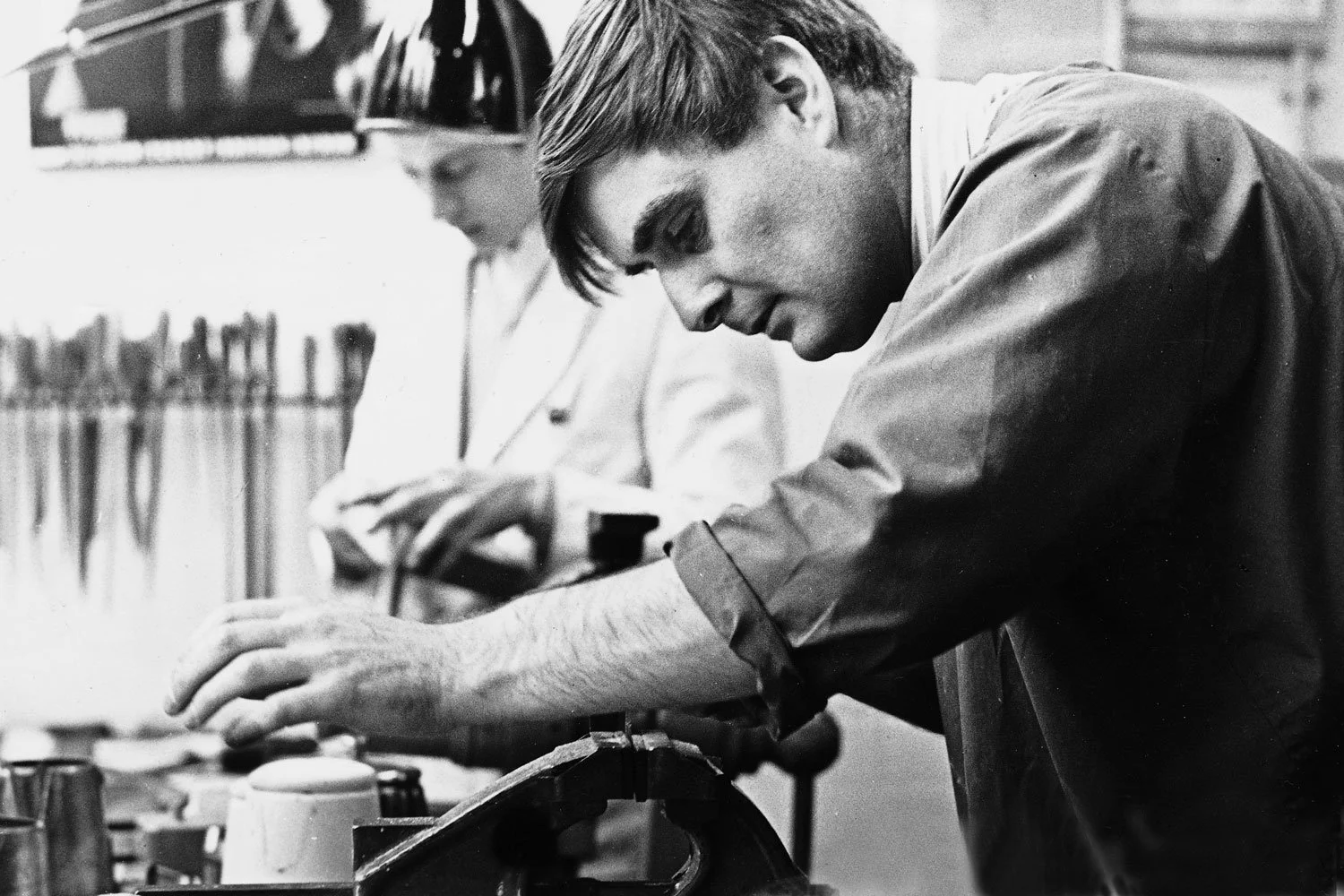
A lot of these companies still maintain handmade manufacture from start to finish of their production. Skilled staff with years of experience take pride in their craft and put time and care into the work to uphold the guarantee of quality goods. They provide a facility for teaching and learning, where knowledge is passed down through apprenticeship, repetition, and direct engagement with material. In these environments, skill is not abstracted into drawings or specifications alone, but embodied through touch, judgement, and experience. Processes are learned by doing, mistakes are corrected by hand, and quality is understood intuitively rather than reduced to metrics. Many young school children will be unaware of this industry as a whole as they start thinking about their future career and life choices, leaving a large percentage of the population without what may be the most appropriate line of work available to them. Particularly with the increase in theoretical teaching all the way up to higher university and post-graduate levels, these avenues for the youth in our country need to remain open.
This kind of working culture fosters a depth of understanding that cannot be replicated through automated production. When a product is made start to finish by the same group of people, accountability remains visible and learning is embedded with memory. Decisions are taken with longevity in mind, repair is anticipated rather than avoided, and the object is allowed to age as part of its design intent.
However, this model is increasingly difficult to sustain. The time required to train skilled makers, the cost of maintaining specialist workshops, and the pressure to compete with low cost mass production all place strain on handmade manufacture. As a result, many heritage companies have been forced to adopt partial automation or outsource elements of their process in order to survive, gradually shifting from fully handmade production to hybrid models of making.
Despite this, the value of these workshops extends far beyond the objects they produce. They act as custodians of knowledge, preserving techniques that would otherwise disappear, and they offer an alternative understanding of what good design can be. In a culture dominated by speed and scale, these spaces remind us that making can still be slow, deliberate, and deeply human.
If these practices are allowed to fade, what is lost is not simply a method of production, but a way of thinking about objects, labour, and responsibility. Supporting handmade manufacture, whether through education, policy, or consumer choice, is therefore not an act of nostalgia, but an investment in the continuity of skill and the integrity of design.
Craft vs Luxury Branding

In recent years, craft has become a language more than a practice. Words like handmade, artisanal, and heritage are used freely, often detached from the realities of production. In some cases, the hand appears only at the final stage, polishing or finishing an object that has otherwise been industrially produced.
This raises uncomfortable questions. When does craft become branding rather than making? Is an object still crafted if the majority of its form is dictated by machines? For many heritage brands, the answer lies somewhere in between. Craft is no longer always the process, but it remains the image. The danger is that, over time, the meaning of craft becomes diluted, being reduced to an aesthetic rather than a way of working.
Repair Culture and the Right to Fix
Crafted objects assume repair as part of their life cycle. Shoes are resoled, bikes receive service, furniture is refinished. Wear is not treated as failure, but as evidence of use, al of which is planned from the outset. This mindset is largely absent from modern product design, where objects are sealed, glued, or digitally locked against intervention. Many electronics breach the idea of right to repair, and even right to own, with features and updates being controlled by the company long into the life of the product. In some cases, the product is even made redundant with planned obsolescence being factored in from the start of the development.
The decline of repair culture mirrors the decline of craft itself. When users are unable or unwilling to fix what they own, products become temporary by default and people suppress the opportunity to form emotional bonds with what they own . Handmade objects resist this logic. They invite maintenance, reward care, and build relationships between owner and object over time.
Parting Thoughts
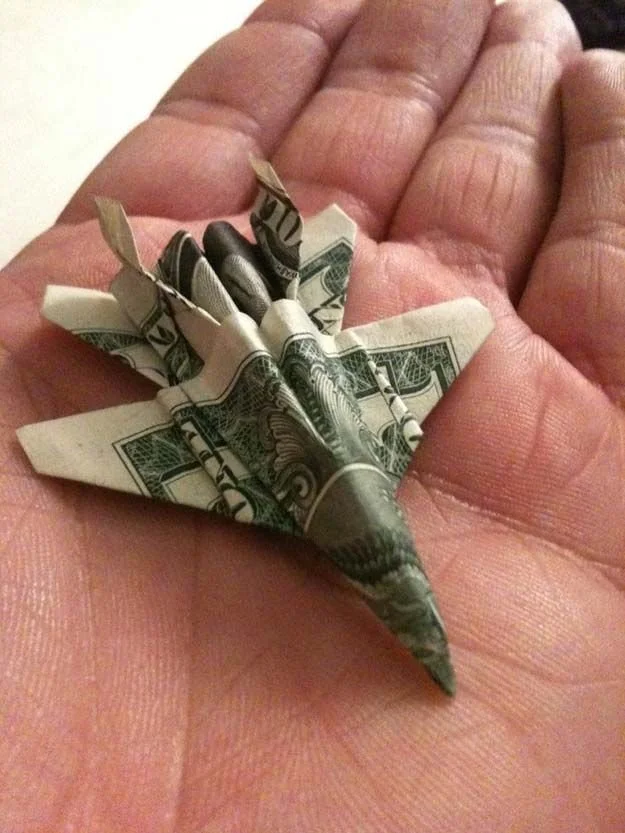
Craft asks us to slow down and pay attention. It asks for patience from the maker and responsibility from the buyer. It values skill that cannot be automated and decisions that cannot be rushed. Whether it survives or not depends less on nostalgia and more on what we choose to support, learn, and keep. The future of making will be shaped quietly, by the objects we live with and the standards we refuse to lower. Personally, it is an aspect of design and life in general that I don’t want to see disappear. The project we had last semester (Retail Therapy) was a clear example of where handmaking and craft lend themselves as a vital part of product design, whether it be prototyping or final finishing. My time is UGRacing has also demonstrated to me how important it is to have a strong understanding of how things are made and how to work with different materials and techniques to create a complete final result. It’s something I enjoy most about the course I am on and it’s something I feel needs to be encouraged from early education all the way to late stages of University.

The Cost of Craft
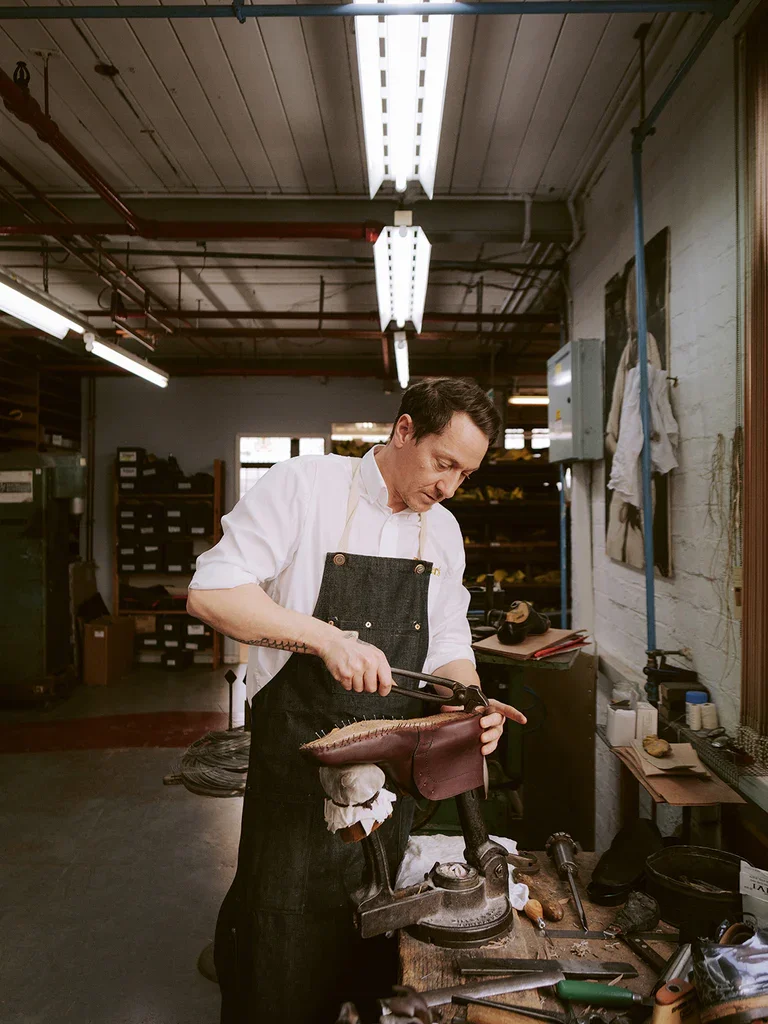
Handmade craft often comes with a higher price, and this is one of the main reasons it feels inaccessible. That cost is not driven by branding or excess, but by time. Skilled labour takes years to develop, materials are often sourced in smaller quantities, and production cannot be accelerated without compromising quality.
Unlike mass-produced goods, handmade objects are not designed for short lifespans. They are made to be repaired, maintained, and used over long periods of time. The higher upfront cost reflects this shift in thinking, from disposable purchase to long-term ownership.
That said, craft does risk becoming exclusive. When the cost of training and production rises, fewer people are able to make, and fewer are able to buy. This tension sits at the centre of the issue. Craft is valuable precisely because it is slow and skilled, but those same qualities make it economically fragile.
Understanding the cost of craft is not about justifying price, but about recognising what is being paid for. Time, knowledge, and accountability.